Third-party cookies, small files stored on your computer by businesses other than the website you are visiting, have historically been an essential part of the way digital advertising works.
They allow advertisers to track user behaviour across websites – allowing them to profile consumers according to their interests.
Google is a major player in online advertising so its plan to replace cookies – dubbed “Privacy Sandbox” – proved controversial, with rivals and online advertising businesses arguing against the proposals.
The UK competition watchdog the Competition and Markets Authority (CMA) intervened in 2021, fearing the search giant’s plans could cause even more advertisers to use Google’s own systems.
It obtained commitments from Google in 2022 designed to allay those fears. Now it is seeking reaction to the tech giant’s change of plan.
“We will need to carefully consider Google’s new approach to Privacy Sandbox, working closely with the ICO in this regard, and welcome views on Google’s revised approach – including possible implications for consumers and market outcomes,” it said.
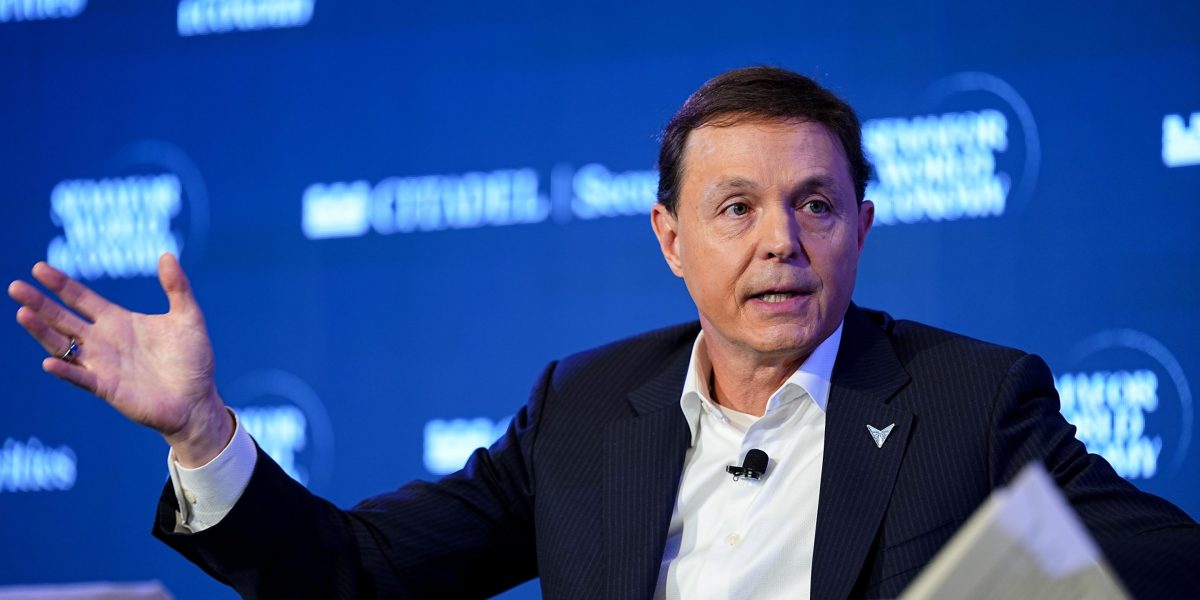
Jeff Green, head of advertising platform The Trade Desk, welcomed the move.
“I have been saying for years now to our industry, to Google, and even to Wall Street that I think it is a strategic mistake for Google to get rid of third-party cookies,” he said.
“Google seems to finally acknowledge that the best option for them is to give consumers the choice.”
But Katie Secret, corporate vice president of global marketing at Outbrain, which uses targeted advertising to recommend brands and products to users, said Google’s “surprise decision” comes amid a wider shift towards privacy.
“Users are becoming increasingly aware of the usage of their data, and expect respect and privacy,” she said.
And Katie Eyton, chief ethics and compliance officer at Omnicom Media Group UK, said how Google presents this choice to Chrome users could be a “big focus” for regulators.
“In line with the GDPR requirement for informed, unambiguous consent, choices will need to be presented in a neutral way,” she said.
“People will need to understand what they’re being asked to consent to and the potential consequences of their decision.”
Credit: Source link
![6 Steps to Create an Outstanding Marketing Plan [Free Templates]](https://www.hubspot.com/hubfs/marketingplan_20.webp "6 Steps to Create an Outstanding Marketing Plan [Free Templates]")