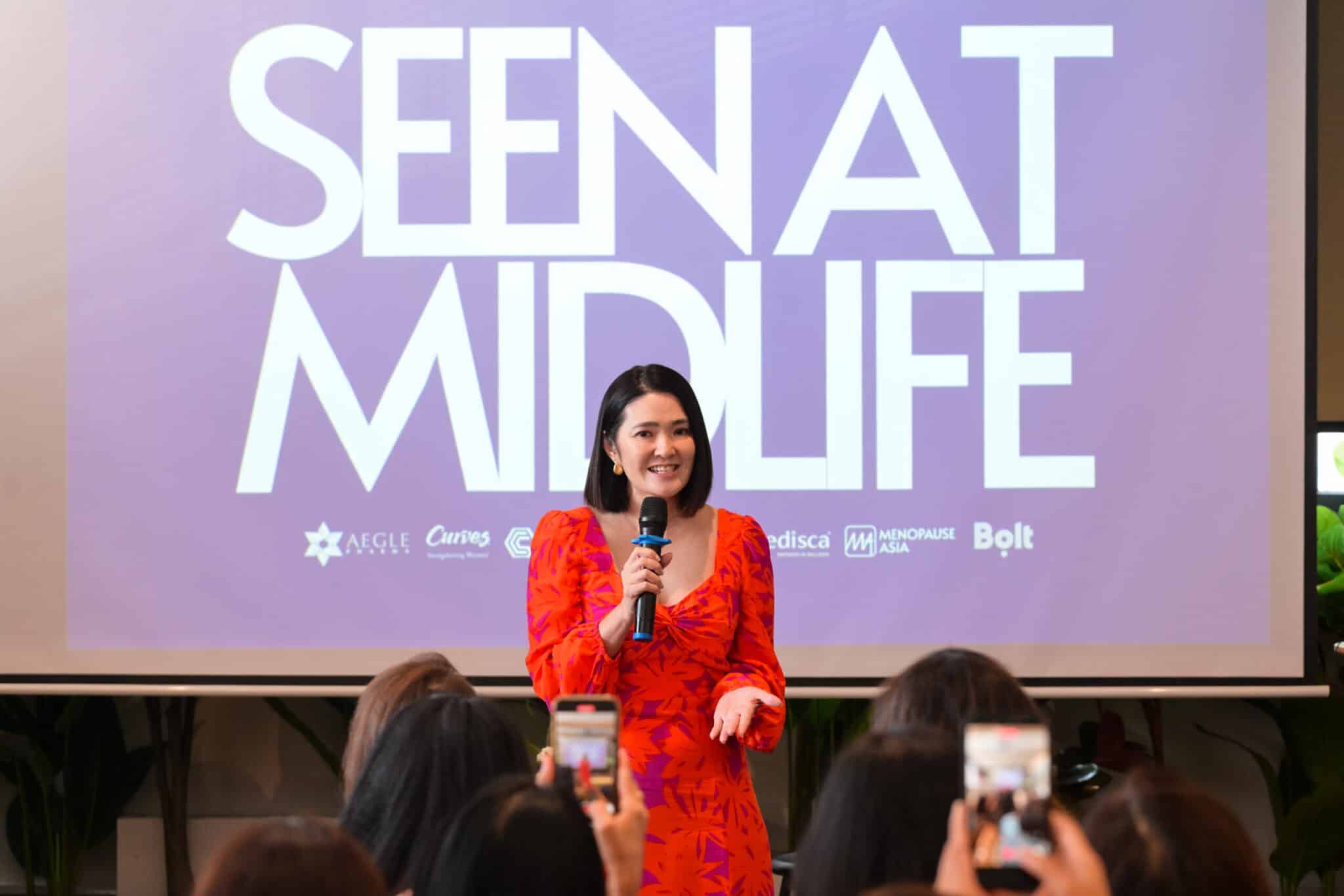
For many organizations across Asia, the loss of experienced female talent is often framed as a familiar HR challenge: rising recruitment costs, leadership gaps and stalled diversity targets. Yet, according to Joanne Ho, founder of Menopause Asia, the real damage happens long before a resignation letter is ever submitted.
“The danger for organizations isn’t just that women leave,” Ho tells HRM Asia. “It’s the years before leaving, when they quietly shrink themselves.”
Women in their 40s and 50s sit at a unique intersection of life and career. They often manage senior-level responsibilities at work while navigating demanding personal roles at home, all while experiencing physiological changes that remain poorly understood and rarely discussed in the workplace. By this stage, Ho notes, these women have spent more than two decades building capability, emotional intelligence and institutional knowledge. When menopausal or perimenopausal symptoms emerge—often without being recognized as hormonal—the impact is not sudden or dramatic, but cumulative.
“What we see first is not a drop in performance, but a drop in confidence,” she explains. “Women start doubting themselves. They speak up less, avoid visibility and stop putting themselves forward.”
This gradual erosion of voice and confidence is almost impossible to quantify, yet its effects ripple across teams. Innovation slows, mentoring diminishes and decision-making loses seasoned perspectives. More insidiously, many women remain in their roles but operate at a fraction of their previous capacity. Ho describes this as “quiet shrinking”—a form of disengagement that costs organizations far more than turnover ever could.
“Most women don’t leave immediately,” she says. “They stay, but at 60%-70% of their previous effectiveness. That hidden productivity loss is enormous.”
See also: Menopause: The next big benefits trend?
When women leave leadership, they take more than many companies realize
The implications for leadership pipelines are equally stark. As mid-life women pull back, they take with them years of mentorship, emotional labor and leadership modelling. The result is a contraction that disproportionately affects future female leaders. “You can’t cultivate the next generation of women leaders if the women ahead of them quietly disappear,” Ho warns.
Demographics and data reinforce the urgency. The 45-55 age group is now the fastest-growing segment of working women in Asia. Yet, studies in Malaysia suggest that while the majority of women experience menopausal symptoms that affect daily functioning—ranging from joint pain and mood swings to cognitive challenges—only a small fraction actively seek help.
One 2025 survey, Investigating Menopausal Symptoms and Healthcare-Seeking Practices Among Midlife Women in Malaysia, found that while most mid-life women reported experiencing mild to moderate symptoms, fewer than 13% sought any form of treatment, and only about a third consulted a medical professional. A separate study in Negeri Sembilan highlighted how education level, income and occupation significantly influence whether women seek support at all.
“Globally, between 6%-17% of women consider leaving the workforce during this phase,” Ho says. “But numbers only tell half the story. The real cost is losing women at the exact moment they have the most to contribute.”
For Ho, menopause-inclusive workplaces are not about medicalizing women or creating special treatment, but about reframing a misunderstood life stage. Drawing from her own experience leading a start-up while navigating perimenopause, she recalls the burden of silence. “I didn’t have the language for what I was experiencing,” she says. “And that silence made everything feel heavier.”
This is why, she argued, organizations need approaches that are practical, culturally sensitive and grounded in trust. At the heart of an effective menopause-inclusive framework is a fundamental mindset shift. “Menopause needs to be seen as a peak season of contribution, not decline,” Ho says. “This is when women bring leadership maturity, strategic clarity and deep emotional intelligence. When workplaces frame this stage as decline, women begin to shrink.”
Education forms the second critical pillar. Awareness must extend beyond women themselves to HR professionals and line managers. “When women understand what’s happening hormonally, they’re less afraid,” Ho explains. “When managers understand it, they respond with empathy instead of assumptions.”
Education does not need to be complex; simple awareness sessions can help women recognize symptoms early and understand that they are not “losing it,” but transitioning. Equally important is clarity around care pathways—who to speak to, how to ask for support and what options exist.
Flexible hours during symptomatic periods, workload adjustments, camera-off days, temperature control and trained HR touchpoints can make a meaningful difference—provided women feel safe using them.
Yet, Ho is clear that written policies alone do not change outcomes. “The biggest shift comes from culture,” she says. “When leaders talk about menopause openly—even briefly—it breaks the taboo.”
The act of normalization creates psychological safety and signals that women are not alone. “Without that, women won’t use the support that exists. They’ll stay silent, suffer through and productivity will quietly decline,” she adds.
Looking ahead, Ho believes menopause is only one chapter in a much larger narrative that HR must learn to tell. Just as mental health has moved from taboo to mainstream over the past decade, women’s health must be approached as a continuum across the working lifespan. She described this as the “five M’s”: menstruation, maternity, miscarriage, mental health and menopause.
“Right now, only maternity is widely recognized, and mental health is becoming more accepted,” she says. “The next challenge for HR is connecting the dots instead of treating each issue as a one-off event.”
Credit: Source link