Immigration was among the most hot-button issues on which President Trump campaigned —and it became one of the defining issues of the first year of his second term, with significant effects on employers.
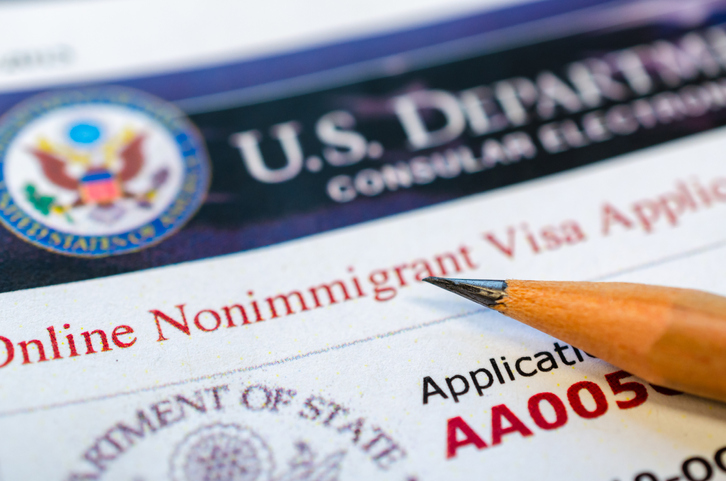
The shifts from the Biden to Trump administrations have been stark: the suspension of a green card lottery, the revoking of 8,000 student visas, last week’s ban on visa issuances to the citizens of more than 75 countries, the hiking of fees for investor visas to $1 million and—most resonant for employers—a $100,000 fee attached to H1-B work visas.
“A lot of companies are saying, ‘You know what? I don’t know if any one employee is worth $100,000,’ ” says Jorge Lopez, chair of the Immigration and Global Mobility Practice Group at Littler.
Similarly, new visa vetting requirements, such as enhanced interview processes, are significantly dragging down application process times.
“That creates a problem for talent coming into the U.S. just for innocuous meetings with colleagues, not to work in the U.S.,” Lopez explains. “What had taken a couple weeks to turn around is now maybe two or three months—if not longer.”
More stringent vetting, he says, is “putting the brakes on the process” and prompting employers to broadly rethink their talent strategies.
“It’s a big discussion point that companies we work with are concerned about,” Lopez says. “It’s a big question mark.”
How are employers responding to the shifts?
While the de-emphasis on bringing in foreign talent is part of a broader push to hire domestically, the share of skilled workers in the United States just isn’t populous enough, Lopez says.
“The U.S. talent is not there,” he says. “Employers need to hire talent where it is—and that tends to be outside the U.S.”
Some employers are looking to take advantage of federal incentive programs for hiring in the U.S., though that can create some murky legal territory, with questions about potential discriminatory hiring. But largely, the increasing red tape around bringing in foreign workers is prompting many to turn to outsourcing.
“That’s often the easy solution,” Lopez says. “It becomes a mechanism in play for companies with international operations, because it can be easier to set that up” than navigating bringing foreign talent into the U.S.
The great immigration divide
As pathways to legal entry and citizenship have narrowed in the last year, the public discourse has largely revolved around the topic of illegal immigration, as the Trump administration pursues its primary campaign pledge.
That has led to ramped-up immigration enforcement actions, most notably in Minneapolis, which has been the site of two killings of American citizens by federal law enforcement this month. It’s a moment that has had its own employer implications; last week, the CEOs of more than 60 Minnesota-based companies issued a plea for “de-escalation” of the situation in the city.
The widespread national debate about ICE’s actions in Minneapolis is primed to shape ongoing federal policy as we enter Trump’s second year in office, Lopez says.
“The bottom line is, I think it does create a greater review of immigration policy, from a macro perspective,” he says. “Certain elements in American society feel it’s not enough, and other elements feel it’s too much. And that’s part of the problem.”
That divide is going to enhance scrutiny of federal policies, creating a greater “incentive” for Americans to question everything from enforcement actions to visa and green card processes.
It’s a conversation that could be shaped by the administration’s ongoing struggles to meet the realities of policy change, particularly around heightened enforcement implementation. Money has flooded into that effort, Lopez notes, but execution is more of a “miss,” as recruiting and training agents to carry out enforcement actions should “take time. And that’s where the administration is struggling,” Lopez says.
However, the administration’s focus on border control in the last year has largely met expectations. The administration made some critical procedural and legal missteps in Trump’s first time in office and has more effectively navigated that learning curve this time around.
“At the end of the day, most of those who voted because of [Trump’s] immigration policies wanted to see greater enforcement at the border. And the administration, to its credit, has achieved that,” Lopez says. But the question of the effectiveness of broader immigration policies, he notes, is a “different animal.”
Credit: Source link