Executives want people analytics to pinpoint what productivity gains AI is capable of delivering. They want to understand which leadership behaviors drive thriving teams and which skills AI is pricing up or rendering obsolete. They want data that helps them make decisions, not data that describes what already happened.
What HR has ready to give them is something different, according to Mercer’s 2026 Global Talent Trends study, a survey of approximately 12,000 executives, HR leaders, investors and employees. The researchers found that the workforce insights HR teams are most likely to have on hand focus on individual and team productivity, benefits ROI by employee group and how effectively HR is meeting its own internal needs.
While those are useful metrics, they are not the forward-looking intelligence executives are asking for. “The C-suite and HR are misaligned on what drives performance in the human-machine era,” according to the report authors. “While executives are focused on redesigning work around AI and strengthening people analytics capabilities, HR leaders risk strategic misalignment, just when they need to reinvent.”
The mismatch is costing HR credibility at exactly the wrong moment.
People analytics top priority for execs and investors
Executives and investors in the Mercer study rank improving people analytics capabilities as the No. 1 or No. 2 people initiative for driving ROI in 2026. Fifty-seven percent of the C-suite identify it as the single people initiative most likely to generate returns this year. Investors agree, with 76% saying they expect leading firms to be prioritizing analytics capabilities. Yet only 27% of executives believe their HR team effectively advises them on human capital risks and opportunities.
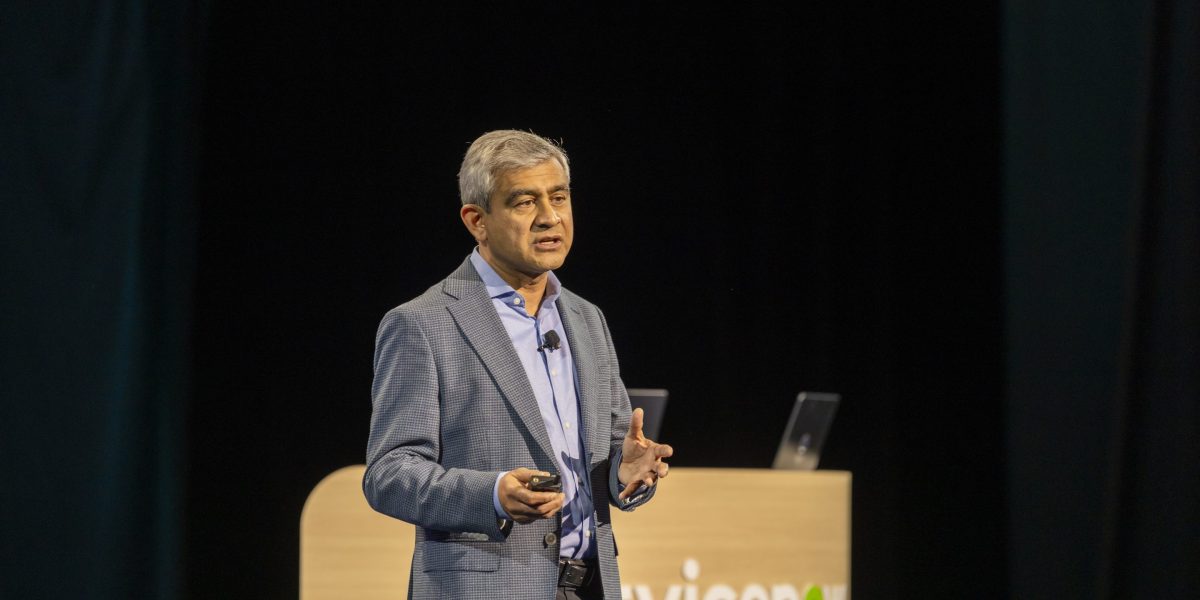
“People analytics professionals, this is your year,” said Stefan Mauersberger, a partner and senior director of talent strategy consulting at Mercer. He took the stage with Kate Bravery, Mercer’s global advisory solutions and insights leader, presenting the report’s findings at HR Tech Europe 2026 in Amsterdam.
Mercer’s research calls what happens when organizations collect workforce data without connecting it to decisions “insight theater.” Two-thirds of executives say their organizational data tells them only what is most urgent, not what is most important. Fifty-five percent say their organization already underutilizes the workforce intelligence it currently has. The problem, in other words, is not a lack of data. It is a failure to turn that data into the kind of foresight that drives business strategy.

What might need to change
High-growth companies, defined in the study as those reporting 10% or more annual growth, are drawing a sharper line between talent intelligence and business performance. Executives at those firms are twice as likely as their peers at slower-growing organizations to believe that acting on talent insights is as important as acting on financial insights. Seventy-nine percent of executives overall say that better insight into their workforce’s capabilities is key to delivering outsize performance.
The top workforce questions executives want answered center on AI productivity gains, skills premiums and the leadership behaviors most linked to engaged, thriving teams. Those are questions that require combining people data with business outcome data, something most HR functions have not yet built the capability or the organizational relationships to do consistently.
There is also a structural issue. The three-pillar HR model, built around centers of excellence, HR business partners and shared services, was designed to deliver programs efficiently, not to generate predictive intelligence at the pace business decisions now require. Mercer’s research finds that 35% of HR leaders and 30% of executives say reinventing the HR operating model is a priority for 2026, in part because the current model creates the kind of siloed data environments where insight theater thrives.
Credit: Source link