
U.S. and Iranian officials remain locked deep in negotiations to secure a lasting ceasefire to the war that has rocked the Middle East for months. For many Americans, however, no deal will be enough to replace what the war has already sapped from their wallets.
Peace talks between the two countries are still inching along, with one of the key points up for discussion being how to regulate the flow of shipping through the Strait of Hormuz. The waterway has been mostly locked up to traffic since the war began in February, sending oil prices soaring and pushing gasoline prices back in the U.S. up with them.
Oil prices have returned to pre-war levels since ceasefire talks began, as tensions in the Middle East somewhat de-escalated and global demand softened. But American drivers are still dealing with sky-high gas prices. The national average cost of a gallon of gas is now $3.84, up roughly 23% from a year ago, close to a four-year high. For the average American who relies on a personal vehicle to get to work, take their children to school, buy groceries, and generally live their life, those costs have been adding up.
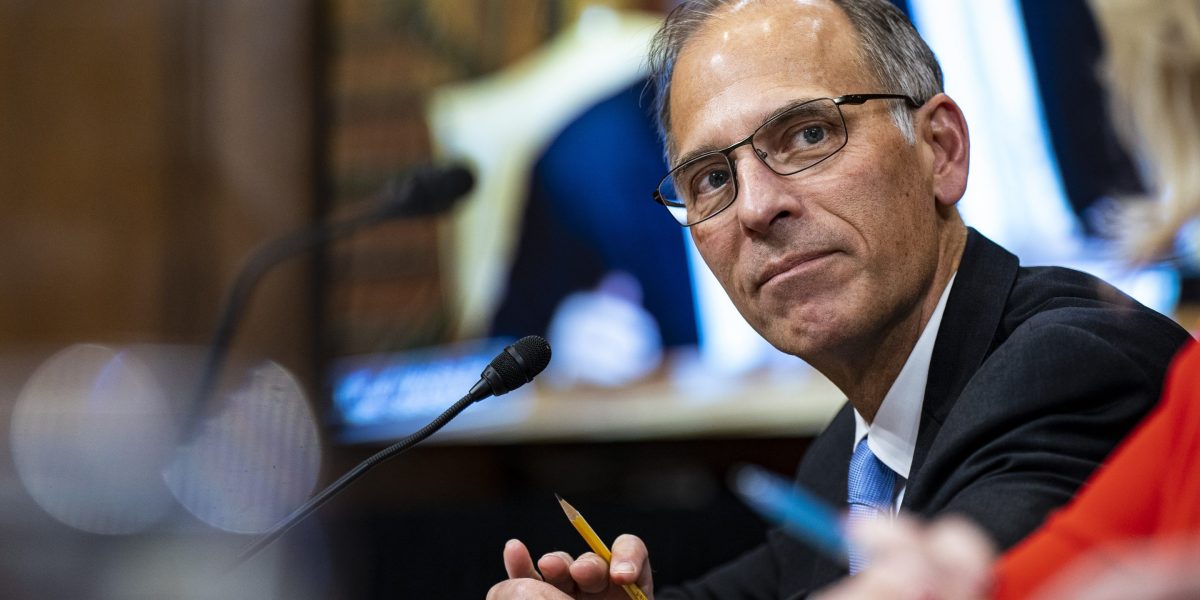
“One thousand dollars,” Mark Zandi, Moody’s chief economist, wrote in an op-ed published last week by the Philadelphia Inquirer.
“By my calculation, that’s the effective cost of the Iran war to the typical American household—so far,” he added. “While the U.S. and Iran have agreed to a ceasefire and are talking to end the war, the costs are still mounting.”
Of that sum, Americans have already burned through around $300 from each household due to high gas prices alone. The rest, Zandi wrote, has been spent indirectly. More expensive fuel has caused airlines to raise prices, adding $100 to the bill. Groceries and everyday shopping have also gotten pricier because of diesel, the fuel of choice for trucks and heavy farming equipment. The war has hiked diesel prices even more than regular gasoline, pushing costs up for everything that has to be transported: That’s another $200, according to Zandi.
Then there’s taxpayer-funded military costs, covering everything from personnel to spent munitions. These round up to an extra $250 in taxes for each household. And finally, interest rates. The war’s upward pressure on prices reversed expectations that the Federal Reserve might opt to cut rates this year, with many analysts now forecasting the Fed to raise them instead. Higher rates mean pricier payments to service credit card debt, auto loans, and mortgages, adding on another $150 to the war’s bill.
Other items impacted by the war but that are harder to calculate could push the total cost even higher, Zandi wrote. Fertilizer and helium, for example, have both been subject to higher costs, factors that will eventually influence food and semiconductor prices respectively.
“My estimate that the Iran war has cost the typical American household $1,000 and counting is, if anything, conservative,” Zandi wrote. “The true cost is likely higher—meaningfully higher. It’s fair to ask whether it was worth it.”
The tabulation is already higher than Moody’s last estimate of the war’s cost to households. A month ago, a post authored by Zandi pointed to a total burden of $100 billion, coming out to a $750 bill per U.S. household.
The Trump administration has accused oil and gas companies of artificially inflating gas costs, pointing to the oil price comedown. But experts have warned since the war began there would be a delay between falling oil prices and normalizing bills at the pump, due to supply chain lags and the time it would require to resume pre-war traffic through the Strait of Hormuz.
And while gasoline prices will come down eventually, American taxpayers might be on the hook for military costs long after any peace deal is signed. In June, the Pentagon requested an additional $80 billion to cover its costs from the Iran war, The Wall Street Journal reported. That’s on top of costs the Pentagon will likely incur by having to repair the 20 U.S. military sites targeted by Iranian attacks in the Middle East, as well as the need to replace fired munitions and at least 40 damaged or destroyed military aircraft.
Some forecasts have gone even further.
“Wars always have a long tail of costs,” Linda Bilmes, a public policy expert at Harvard’s Kennedy School, told Fortune in a recent interview.
Accounting for its potential long-term financial implications, including infrastructure repairs, restocking costs, and payments to veterans with disabilities, the war in Iran could end up costing the U.S. economy over $1 trillion, Bilmes estimated. Based on the roughly 134 million households in the U.S. right now, that would represent a nearly $7,500 bill for each of them.
Credit: Source link




