Stay informed with free updates
Simply sign up to the Oil & Gas industry myFT Digest — delivered directly to your inbox.
Oil prices climbed as traders worried that fresh clashes between the US and Iran could lead to further restrictions on global crude flows through the Strait of Hormuz.
Brent, the international benchmark, rose 3 per cent at the open of Asian trading to $78 a barrel, while West Texas Intermediate, the US marker, climbed almost 4 per cent to $79 a barrel.
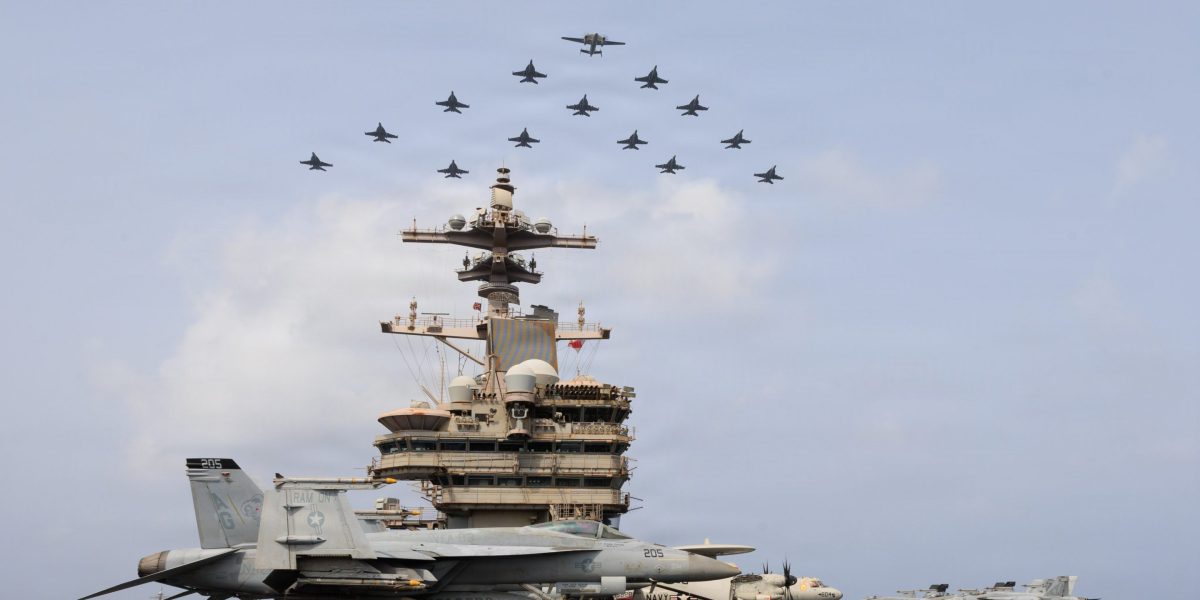
It followed a turbulent weekend in which the US hit Iran with missile strikes for the fifth time this week after accusing Iran of “blatantly” attacking the Cyprus-flagged container ship M/V GFS Galaxy, on Saturday.
The US insisted on Sunday that the vital Hormuz waterway was open despite Iran’s declaration that it was closed.
“Iran does not control the strait. Traffic is flowing,” US Central Command, which oversees American military operations in the Middle East, said on Sunday.
“The upside risk we’ve been anticipating is here and the fundamental question over who controls the Strait of Hormuz is unresolved,” said Kevin Book at ClearView Energy Partners.
“The Iranian side has continued to exert its control over traffic and the US has responded with a near-daily response . . . this is an episodic escalation,” he added. “The market is starting to price it a little bit like a return to war.”
Initial data from Kpler on Sunday afternoon showed 12 crossings visible to the intelligence platform on Friday, 13 on Saturday and three so far on Sunday, although more were likely as final data was confirmed.
Analysts said ahead of Monday’s opening that they expected prices to rise as traders closed out short positions, tempered by the expectation that neither party wanted to go back to full-blown war.
“I believe that both parties have the incentive not to escalate further,” said Jorge León, head of geopolitical analysis at Rystad Energy.
Despite the increase in Asia trading, Brent is still a long way off a wartime peak of $126 a barrel on April 30 and is not too far away from its prewar price of $72.48.
Oil supply picked up in June by 4.1mn barrels per day to 98.8mn barrels per day following the US-Iran ceasefire, according to a report by the International Energy Agency on Friday.
However, global output remained roughly 9.4mn barrels per day below prewar levels, the IEA said.
Meanwhile, experts are concerned about potential increases to the price of diesel and other refined products because of the double blow of the disruption to the Strait of Hormuz and Russia’s temporary ban, announced last week, on diesel exports.
The difference between crude prices and refined products rose to a four-year high in early July, according to the IEA, as crude prices fell while refining capacity remains tight.
Credit: Source link