Unlock the Editor’s Digest for free
Roula Khalaf, Editor of the FT, selects her favourite stories in this weekly newsletter.
Masayoshi Son has ridiculed opponents of AI for “spitting upwards” as the SoftBank billionaire predicted the technology would account for 20 per cent of global output by 2040.
Son told a room of executives at his annual SoftBank World event that condemning AI was the modern version of rejecting cars and aeroplanes.
“Those who dislike AI have essentially refused their own evolution,” he said. “Those who condemn AI are themselves spitting upwards.”
His comments came as the veteran investor inserts himself into the AI revolution through huge investments in Arm, OpenAI and other tech companies.
Yet investors are growing wary of SoftBank Group’s rising leverage and the possibility of delays to OpenAI’s initial public offering.
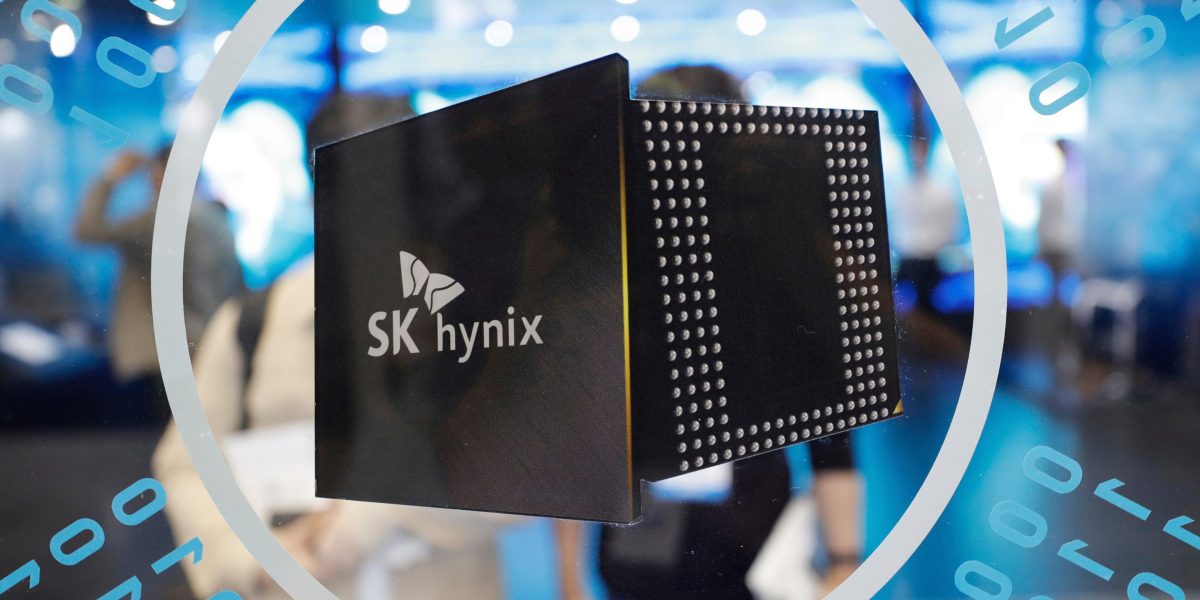
SoftBank has been attempting to build a role across data centre infrastructure, AI models, chips and robots in order to cement itself at the centre of what Son believes will be an evolution to superintelligence.
While there has been a public backlash over the perceived impacts of AI on employment, Son expressed his distaste for the hesitant — especially Japanese business leaders who failed to create new giants in the internet era.
“Modest presidents” who are not prepared to embrace AI to become number one in their industry within 15 years “should play the role of spouse”, he said.
“The most important thing for the president to say is ‘AI, AI, AI’.”
The 68-year-old expressed bullish views on the potential for AI to transform the global economy, predicting with confidence that it would account for $46tn of global GDP within 15 years and generate annual profits of half that figure.
To enable the rollout of AI, the Japanese investor estimated that 3 terawatts of data centres would be needed by 2040 to provide the computing power to run trillions of AI agents and billions of humanoid robots.
The figure is equivalent to about a third of total installed power capacity globally, according to the International Energy Agency’s estimates.
The SoftBank founder said gas-fired power generation would be needed to achieve that, but in the longer term, nuclear fusion would take its place.
Numerous start-ups and research programmes are working on fusion around the world, but none has demonstrated sustained power generation to date.
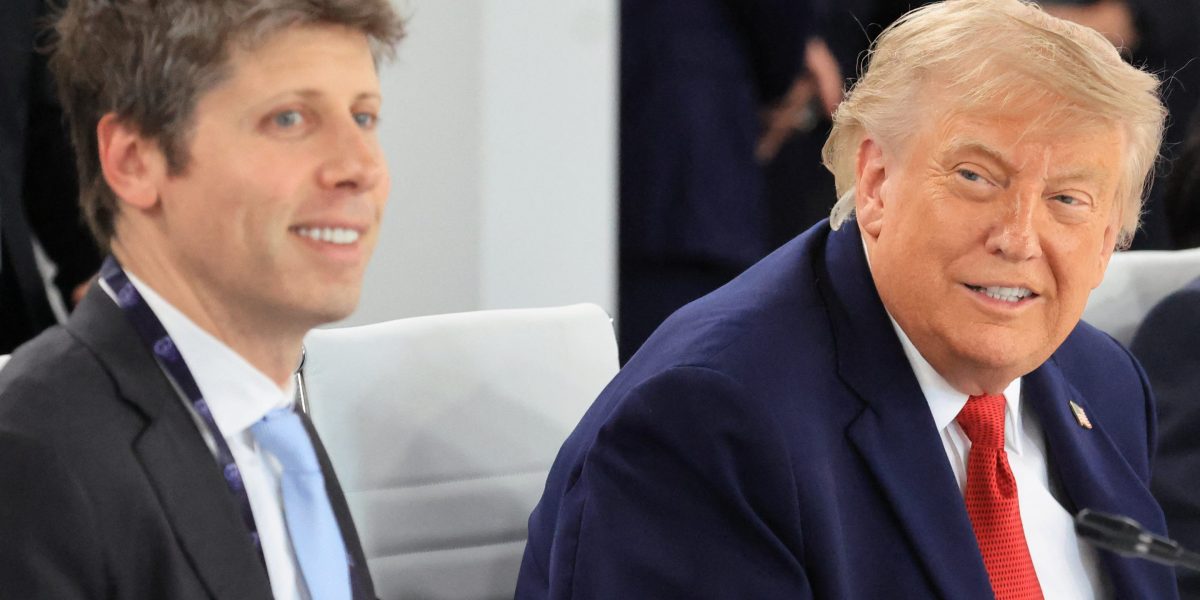
SoftBank’s energy arm was selected to deliver a $33bn gas-fired power plant in Ohio, a controversial project within the $550bn investment framework that Washington and Tokyo agreed last year in return for US President Donald Trump lowering tariffs on Japan.
SoftBank’s shares have risen 35 per cent so far this year but have come under pressure since peaking in June because of worries over the timing of OpenAI’s blockbuster listing.
Credit: Source link