A chipmaker and a burger chain have little in common except this: both earned top spots on Glassdoor’s Best-Led Companies list at a moment when employee engagement has plummeted across the wider workforce.
The 50 winners span semiconductors, manufacturing, finance and food service. What unites them isn’t industry, but transparent leadership, meaningful recognition and clear communication during turbulence, based on anonymous employee reviews submitted between July 2024 and June 2025.
The list arrives as new research from executive search and consulting firm DHR Global shows that overall employee engagement dropped from 88% to just 64% year-over-year.
The convergence of these trends offers HR leaders critical insights into the factors that separate companies maintaining employee trust from those watching engagement slip away.
The culture crisis
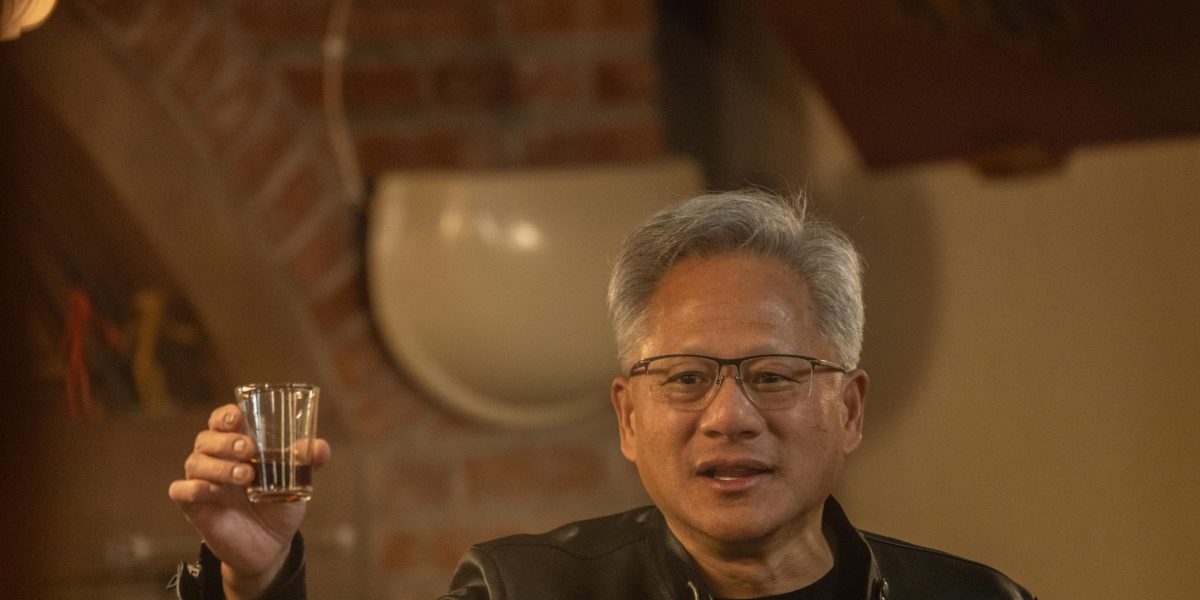
NVIDIA claimed the top spot on Glassdoor’s list, with CEO Jensen Huang earning a 98% approval rating from employees who praised his push for diversity and fairness while remaining deeply involved in steering innovation. The chipmaker moved up from fourth place last year.
In-N-Out Burger took second place, followed by software company MathWorks, Crew Carwash and real estate group Keller Williams in the top five. Technology firms grew from 12 to 22 spots on the 2025 ranking of 50 companies with exceptional senior leadership teams. Manufacturing saw notable growth with five companies making the list, while the remaining winners span financial services, healthcare and retail.
But broader workforce realities paint a more pessimistic cultural picture. DHR Global’s survey of 1,500 corporate professionals across North America, Europe and Asia found only 36% of workers feel their company culture is well-defined and drives performance. Many describe their workplace culture as reactive and inconsistent across teams or vague and not actively shaped.
The disconnect manifests further between leadership and staff, accordingto DHR Global. While 77% of C-suite leaders say culture is very important, only 37% of entry-level employees agree. Executives are 2.5 times more likely than entry-level staff to view their company’s culture as well-defined, suggesting a massive perception gap.
The geographic distribution of winners shows Southern states emerging as hubs for standout leadership, with companies in Dallas, Houston and Austin gaining ground. The San Francisco Bay Area still leads with 10 companies on the list, followed by Boston and New York with six each.
The recognition gap widens
Recognition emerged as workers’ top request for improving workplace culture, and its absence has become increasingly painful. The share of employees citing lack of reward or recognition as a top burnout driver nearly doubled from 17% to 32% year-over-year, according to DHR Global.
Nearly one-third of respondents chose a stronger, more purposeful workplace culture as one of the top three improvements they want from their employer over the next year.
While overall burnout rates hold steady at 83%, burnout’s influence on engagement has grown from 34% to 52%. The Best-Led Companies prove that strong leadership can break this cycle, with half also appearing on Glassdoor’s Best Places to Work list.
The retention firewall
Poor leadership now directly threatens talent retention. Nearly two-thirds of workers feel stuck in their careers with declining confidence in growth opportunities, according to Glassdoor data. Some 91% of employees say the loss of high-performing colleagues impacts the organization.
“It’s no coincidence that nearly half of this year’s Best Led Companies were also named among Glassdoor’s Best Places to Work,” said Owen Humphries, president at Glassdoor, in the report. “In a time when business pressures are intensifying and employees are wrestling with fear and anxiety, leaders are facing tough realities. These 50 companies are successfully navigating these tensions to maintain employee trust, create opportunities for growth and attract and retain top talent.”
Credit: Source link