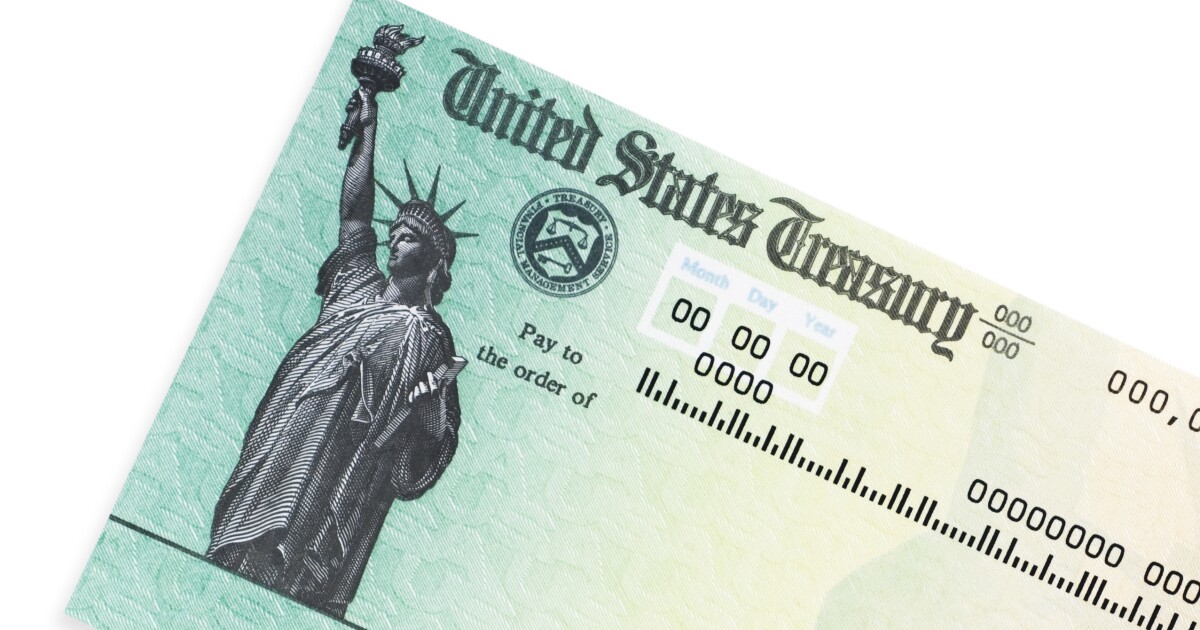
The Internal Revenue Service posted a
Processing Content
The change comes in response to an
“These FAQs support the executive order in its effort to reduce fraud, improve security, lower costs, and make payments to and from the IRS faster and more reliable,” IRS CEO Frank Bisignano said in a statement Thursday. Bisignano is also the commissioner in charge of the Social Security Administration, which is
For the IRS, the changes apply to payments sent by the federal government, including tax refunds, benefits, grants, and vendor or contractor payments. That includes payments made to the federal government, including tax balances due, fees, penalties and other payments from individuals, businesses, nonprofit organizations, and state or local partners.
“No changes are being made to the process of filing a tax return itself based on Executive Order 14247 at this time,” said the fact sheet. “The IRS will publish all guidance and information necessary for filing 2025 tax returns before opening the 2026 tax filing season. Until further notice, taxpayers should continue to use existing filing options.”
In answer to the question of whether taxpayers without bank accounts will still be able to receive refunds, the IRS said yes: “While direct deposit into a bank account will remain the primary method for issuing refunds, the Executive Order explicitly acknowledges that not all individuals have access to traditional banking services. Alternative electronic payment methods, including payments via certain mobile apps and prepaid debit cards, will be available to serve these individuals. Limited exceptions to the paper check phase-out will also be established.”
The IRS noted that electronic payments are generally processed faster, cost less to handle, and reduce errors compared to paper payments. However, some limited exceptions to electronic payment requirements will be available in specific situations, such as those involving hardship and/or legal or procedural requirements.
The IRS said that if taxpayers do not provide their banking information and no exception applies, their refunds could take longer to process. “Taxpayers should provide direct deposit information when filing a tax return,” said the IRS. “If banking information is missing when filing a tax return, the tax return will still be accepted and processed. However, when filing electronically, the taxpayer may receive an alert notifying them of the missing banking information and outlining the next steps if they are due a refund.”
For all taxpayers with missing information, the IRS said it would send letters to individuals using their last-known address on record, asking them to update their banking information if they did not provide it on their tax return, or if their financial institution rejected the direct deposit.
“The taxpayer will then receive a CP53E notice in the mail requesting a response within 30 days, either to provide banking information or to explain why such information cannot be provided,” said the IRS. “Additionally, the Where’s My Refund? tool on IRS.gov will provide messaging related to the need for banking information. The taxpayer will be able to use the IRS Individual Online Account to provide this information. For security reasons, IRS employees cannot take direct deposit information over the phone or in person.”
Once the taxpayer provides the direct deposit information or exception, the refund will be immediately released via direct deposit or paper check, according to the IRS. If there’s no response to the notice and there are no other issues with the tax return, the refund will be released as a paper check after six weeks.
Rochelle Hodes, a principal in the Washington national tax office at Crowe, a Top 25 Firm based in Chicago, worked on the comments that the American Bar Association’s Tax Section submitted to the IRS on the proposed electronic payment requirements.
“Without legislation, I’m not sure, other than nudging taxpayers toward electronic methods, for the unbanked and for people who don’t have access to banking easily, it’s nudging them toward those kinds of options,” she told Accounting Today.
She pointed out that the fact sheet came out on the same day as a
“The TIGTA report said refunds might be late, and if they are, the IRS is going to owe interest,” said Hodes. “And then [the IRS] says if you don’t have direct deposit, you’re going to get a letter. If you don’t respond to the letter, your refund could be delayed.”
She noted that the IRS has a desire to get refunds from the One Big Beautiful Bill Act into the hands of taxpayers. “It’s just interesting how all of this seems to be coming together at the same time in the 2026 filing season,” she added.
The executive order does not change how taxpayers file their tax returns, the IRS pointed out. Taxpayers will continue to file their tax returns the same as they have in the past. The change mainly affects how tax refunds are issued and how payments are made, not how returns are prepared or submitted, starting with the 2026 filing season. For now, checks and money orders will still be accepted.
In the meantime, to prepare for the changes, the IRS is encouraging taxpayers to use
“The way to avoid that whole notice thing is to put down your direct deposit,” said Hodes. “If you don’t, if you’re an unbanked person or you can’t get direct deposit, then the letter is going to ask you to explain your reason, and that’s going to cause a whole lot of back and forth. There are exceptions for folks who are overseas, and the hope is that the system will identify them, rather than also send them letters that have to be responded to. At the end of the day, if you don’t respond, I’ve read the guidance as saying you will get your refund as a paper check, but it may be delayed.”
For more information about the executive order, visit
Credit: Source link