Kevin PeacheyCost of living correspondent, BBC News
 Getty Images
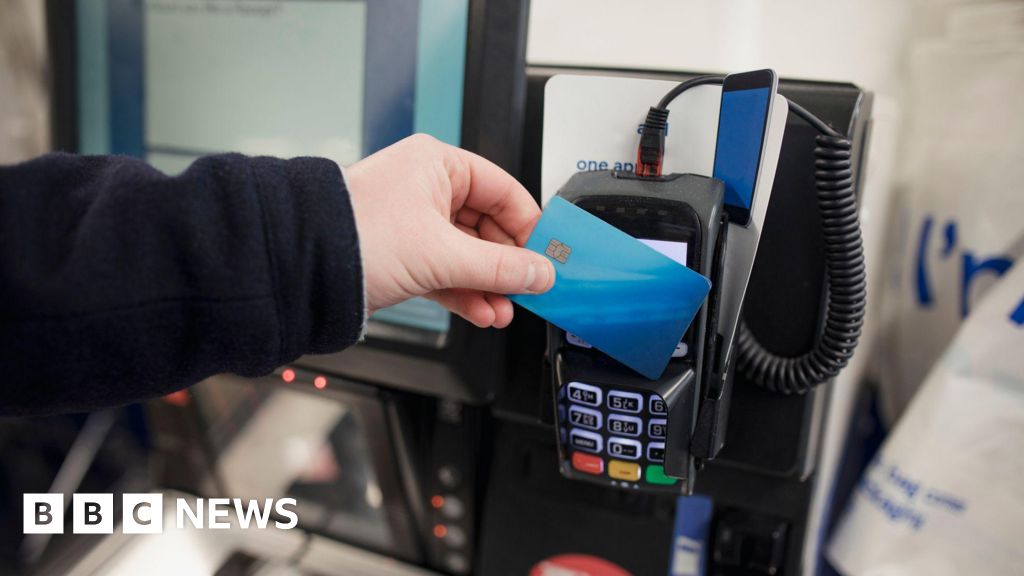
Contactless card payments are set to exceed £100 and potentially become unlimited under new proposals to allow banks and other providers to set limits.
The proposals from the Financial Conduct Authority (FCA) mean entering a four-digit PIN to make a card payment could become even more of a rarity for shoppers.
If approved, purchases which can cost more than £100 – such as a big supermarket shop, or large family meal in a restaurant – could be made with a tap of a card.
The move would bring cards in line with payments made through digital wallets on smartphones which have no restriction, and reflects the ongoing changes in the way people pay.
When contactless card payments were introduced in 2007, the transaction limit was set at £10. The limit was raised gradually, to £15 in 2010, to £20 in 2012, then to £30 in 2015, before the Covid pandemic prompted a jump to £45 in 2020, then to £100 in October 2021.
If approved, the latest plan could be put in place early next year.
Every rise has been met with concerns about theft and fraud, and the FCA said card providers would only permit higher-value contactless payments for low-risk transactions and would carry the burden if things went wrong.
However, the freedom for banks to raise or even scrap the contactless limit suggests the four-digit PIN could soon become relatively redundant.
The FCA has proposed the changes, despite the majority of consumers and industry respondents to a consultation favouring the current rules.
Some 78% of consumers who responded said they did not want any change to the limits.
The FCA said it did not expect any quick changes, but providers would welcome the flexibility over time when prices rise and technology advances. They could also give customers the option to set their own limits.
Fraud and theft fears
The idea of high-value payments being made with a tap of a card will raise concern that thieves and fraudsters will target cards.
Various protections are already in place. In addition to the £100 single payment limit, consumers are often required to enter a PIN if a series of contactless transactions totals more than £300, or five consecutive contactless payments are made.
The FCA’s own analysis suggests raising the limits would increase fraud losses, but said detection was improving and would continue to get better.
It said any change would be reliant on providers ensuring payments were low-risk, through their fraud prevention systems.
Consumers would still get their money back if money was stolen by fraudsters, according to David Geale, from the FCA.
“People are still protected. Even with contactless, firms will refund your money if your card is used fraudulently,” he said.
Many banks already allow cardholders to set a contactless limit of lower than £100, or switch it off completely, and the FCA expected this option to be made widely available.
It argued that time savings, less “payment friction”, and a reflection of rising prices over time would make changes in the limits worthwhile.
Payment terminals would also need to be altered, as most are programmed to automatically refuse payments of more than £100 by card.
‘I only use my phone to pay’
Smartphones already have an extra layer of security, through thumbprints or face ID. That allows people to pay without limits.
Nearly three-quarters of 16 to 24-year-olds regularly use mobile payments, according to industry research.
Near the appropriately named Bank Street in Sevenoaks, 24-year-old Demi Grady said she rarely bothered carrying her cards around anymore because she used her phone for everything.
“I was in London the other day, my phone died and I couldn’t pay for stuff because I couldn’t remember my card details,” she said.
Her mum, Carrie, in contrast, uses her card when shopping.
“It would worry me more than be of benefit if they were to lose the limit of £100,” she said.


Robert Ryan, who had just bought a “winter-ish jacket” at a Harveys Menswear on Bank Street said he did not regard entering a four-digit number when paying as a hassle. Instead it could be a useful budgeting tool.
“I feel more secure in what I’m buying and it does give me a bit of a prompt to make sure I’m not overspending on my tap-and-go,” he said.
Richard Staplehurst, the owner of the store, said the majority of his customers were paying via a device.
He said that removing any obstacles to payment was great, but he did not want to be landed with a bill if a card was used fraudulently.
Stimulating the UK economy
The idea of removing the contactless limit was highlighted as one way the FCA was responding to the prime minister’s call to regulators to remove restrictions to create more economic growth.
The government has been striving to improve the UK’s economic performance, which has been slow for some time.
Other countries, such as Canada, Australia and New Zealand allow industry to set contactless card limits.
The FCA will consult on its proposals until 15 October.
Credit: Source link