But how easy or otherwise has it been for Western defence firms to increase production? And how long will the demand boom last?
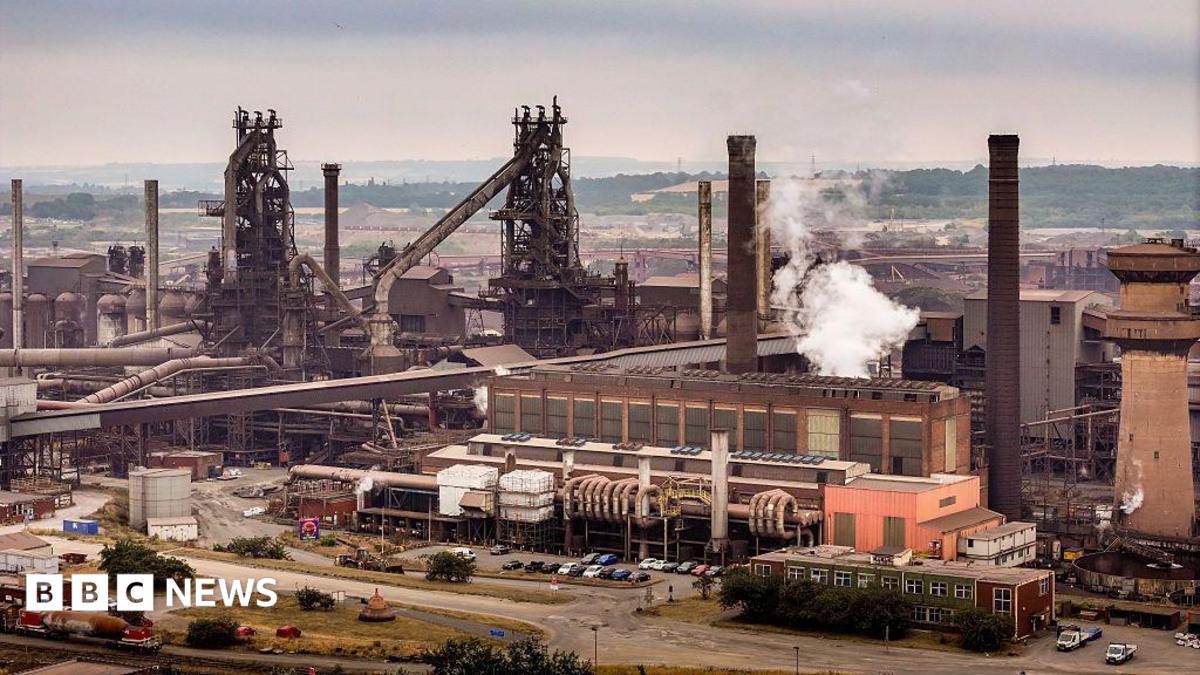
To boost armament production since 2022 it has mainly been a matter of increasing output at existing factories. But this is not quite as easy as it sounds.
Many sites had only really been ticking over, if that, for years. This made expanding production not something that could be done quickly or easily.
Andrew Kinniburgh, director general of Make UK Defence, one of the industry’s trade bodies gives me an example.
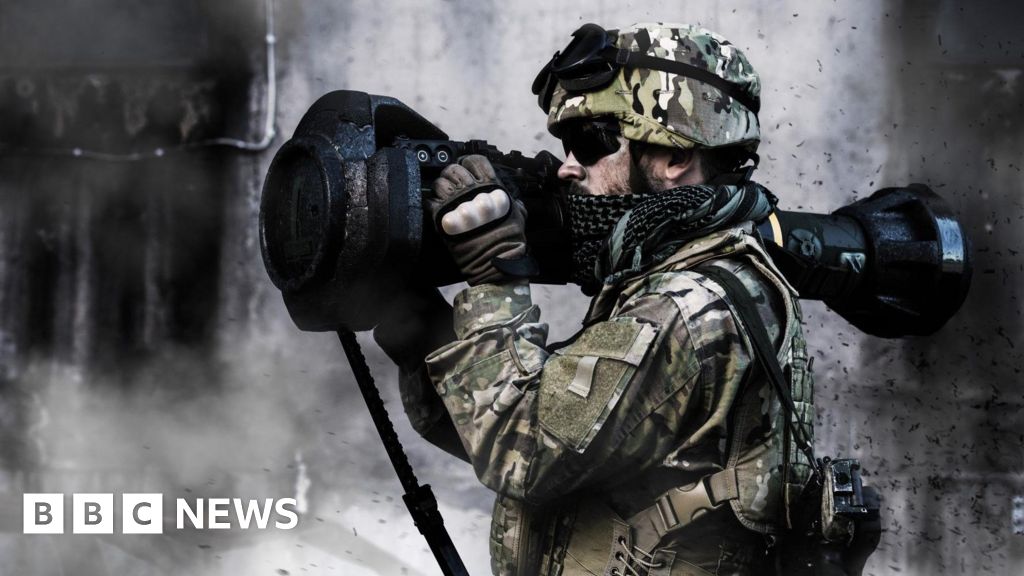
“If you look at the Nlaw [a shoulder-fired anti-tank missile system] designed by Saab, and built by Thales in Belfast, they hadn’t had any new orders for many years, and the production line was basically mothballed.”
Then in 2022, Thales got a £223m contract from the UK Ministry of Defence (MoD) to make thousands more over in Belfast the next four years. Going from “mothballed” to fulfilling an order of that size is quite the challenge.
The facility has more recently won a £176m order from the MoD for a separate weapon, Thales’ lightweight multi-role missiles.
“I’m incredibly proud of our Belfast workforce, who have massively stepped up to the challenge,” says Alex Cresswell, chief executive of Thales in the UK. “This has included new shift patterns, and processes being implemented to maximise working time.
“Since just before the invasion of Ukraine up to this year, just a little over two years, factory outputs have doubled. It’s doubled to the most this factory has produced in living memory. And then in the next couple of years it will double again.”
Credit: Source link