The value of AI in the workplace is a numbers game: a cost and benefit exercise.
Processing Content
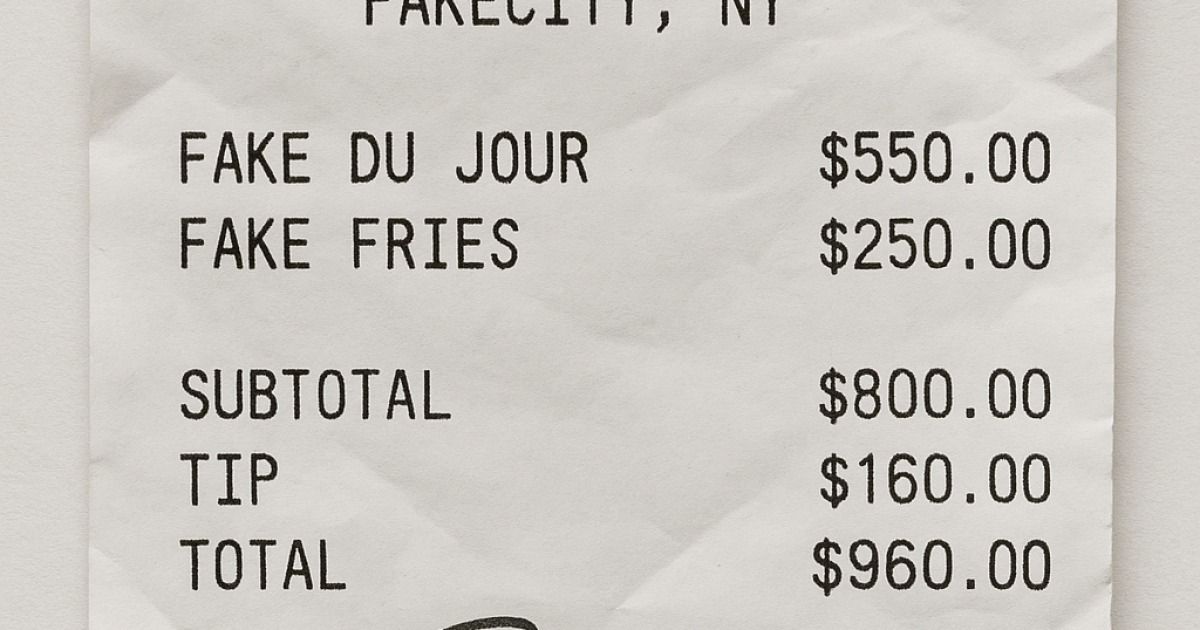
The benefits appear to outweigh the costs, but there’s another factor to consider: For every helpful application of AI, there may be a hidden drawback. AI can be used to enhance every aspect of the workplace, including fraud. For example, users can log in to free apps like Google Gemini or ChatGPT and create realistic-looking, fraudulent documents — such as fake receipts or invoices — in seconds.
As a result, businesses may be at risk of employees using AI to falsify expenses. Our global
This is a new twist to the corporate fraud playbook, so let’s unpack the risks and mitigation strategies businesses can use to squash the rise of such falsified receipts.
The risk of AI-generated receipts
The vast majority of incorrectly filed expense reports are the result of employee error, rather than intentional fraud. For example, duplicate transactions or not providing itemized receipts are common issues.
However, there also have been plenty of employees who have tried to cash in. We’ve seen outlandish expenses, such as wedding costs an employee attempted to justify because they had invited business colleagues to the event, or the employee who tried to expense an RV/motorhome by arguing it was cheaper than a hotel.
AI isn’t increasing fraud, but it is transforming how it occurs. With our latest auditing solutions, we’ve detected 18 times more suspected AI-generated receipts than previous checks. About 1% of receipts have been flagged as potentially AI-generated. They’re being created by different image generators, including ChatGPT, Gemini and Stable Diffusion.
The problem is that AI receipts are so good that the human eye cannot detect them. Even conventional audit tools are likely to miss detection. To stop this method, companies need to account for it, train finance departments, and fight fire with fire — or AI with AI.
Steps to tackle AI-powered receipt fraud
Organizations must adapt their strategies to keep pace with technology, and virtually every industry is implementing methods to combat AI-powered fraud. Universities are using AI detection software and reintroducing in-person exams. Banks and financial institutions are turning to biometrics and deepfake education.
Any company managing expenses should take a proactive and holistic approach to combat receipt falsification. Here are four practical steps:
1. Build prevention into policy: Well-defined policies can help prevent AI receipt fraud. Add a layer of control by implementing pre-spending requests that require employees to seek approval for significant purchases. Comprehensive pre-spend audits can help review expense requests and flag potential issues.
To deter fraudsters, introduce guidelines detailing how the company will take action against fraud and pursue the recovery of embezzled expenses.
2. Educate teams on the telltale signs: On first inspection, AI receipts can be highly convincing but often contain errors that reveal their inauthenticity. Make approvers aware of the signs to look for, including:
- Font or spelling irregularities;
- Incorrect arithmetic or tax calculations;
- Unnatural appearances, e.g., looking overly “glossy” or computer generated.
Some AI tools also attach digital watermarks to content, so you can check the metadata of a file to identify whether it was AI generated. However, savvy grifters will know to remove these details by editing the data or printing their images. It’s important to deploy a mix of techniques and a healthy dose of skepticism.
3. Practice post-spending due diligence: Digital systems can help monitor transactions and flag unusual activity after spending. Consider connecting your organization’s expense systems directly to corporate cards, e-receipts, and travel booking platforms to automatically cross-verify expenses.
You can also use analytics platforms to search for unusual patterns, duplicate claims or suspicious trends. Regularly review company spending data to identify high-volume or high-value spenders that may warrant further inspection.
4. Build on AI to detect fraud: AI-supported checking systems can be used to catch fraudsters through methods such as address verification, generated image detection, tax calculation checks, and itemization validation to identify fake receipts. More than half of CFOs expect AI to catch more general errors and potential fraud than their teams if it’s used to automate expense approvals.
I can’t help but applaud the ingenuity and the diligence toward company-provided AI training. As a business leader myself, I just ask employees to turn their efforts to creating business opportunities with AI — perhaps there will be better financial rewards from those creativities.
Credit: Source link