Recently, team software provider Atlassian became the focus of an NLRB dispute after the firm fired engineer Denise Unterwurzacher following an internal Slack criticism of CEO Mike Cannon-Brookes during a contentious re-leveling and layoff process, according to widespread reporting.
According to reports, Unterwurzacher posted a satirical Slack message suggesting Cannon‑Brookes was dialing in from his NBA team’s headquarters (he owns a minority stake in the Utah Jazz) to lecture people whose careers he had just “pummeled.”
She was terminated for what the company described as “acrimonious communications” and a “gratuitous personal attack,” arguing the remarks violated respectful-conduct expectations.
Dispute over employee comments
However, the employee reportedly insists that her comments were consistent with Atlassian’s stated ‘Open Company, No Bullshit’ culture and should be treated as protected workplace criticism, according to the NLRB’s account of her testimony. The legal test is not whether the comment was rude, but whether it was connected to working conditions and collective employee concerns.
The dispute is now before the National Labor Relations Board (NLRB), testing whether criticism inside an “open culture” crosses into unprotected personal abuse.
As the Atlassian case shows, open cultures can increase the occurrence of blunt comments and feedback, but without consistent boundaries, discipline can appear retaliatory, even when defensible. Executive-targeted criticism often triggers a different emotional response than peer-to-peer criticism, so HR needs a calibration standard that is documented before a crisis hits.
“Unlike government workers, private-sector employees have very limited workplace protections when it comes to speech and political activity,” according to a brief from Alan Lescht & Associates, a law firm that deals with employment issues.
Similar cases in the news
The incident echoes recent NLRB disputes at other tech giants, where internal criticism of executives during restructurings has tested protections for “concerted activity.”
Tesla has faced similar scrutiny, with NLRB decisions and related complaints detailing Tesla disciplining pro‑union employees and scrutinizing Musk’s own anti‑union messaging. This includes an NLRB finding that Musk’s tweet suggesting that workers could lose stock options if they unionized was an unlawful threat.
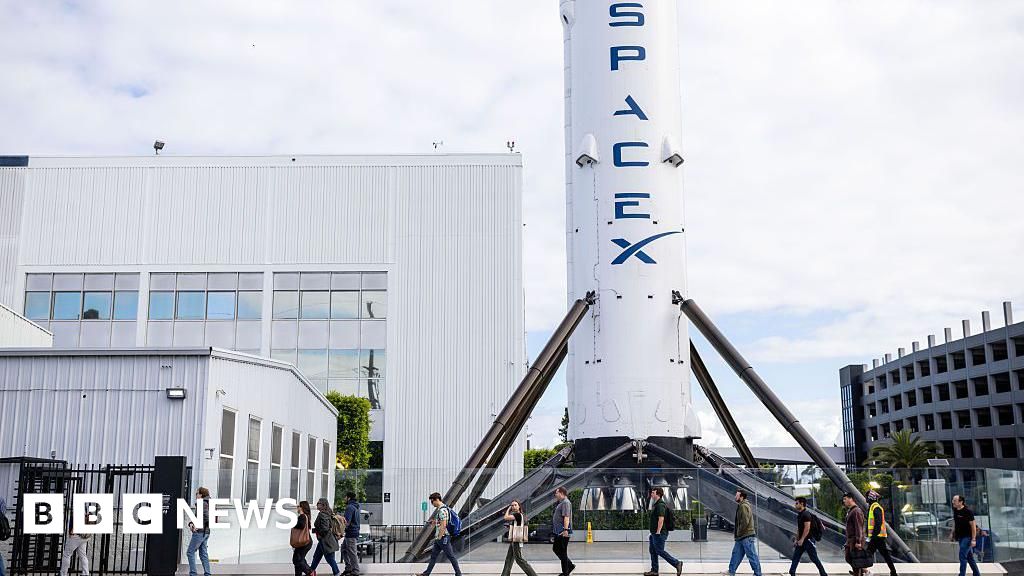
SpaceX also faced 2022 charges for terminating employees over an open letter critical of the company and its CEO. This action was dismissed earlier this year on the grounds that the NLRB lacks jurisdiction over SpaceX.
Amazon is also no stranger to NLRB action and settlements over alleged retaliation tied to worker protest activity and organizing. This includes cases where discipline followed collective pushback on workplace rules and conditions.
This incident crystallizes three structural tensions HR leaders wrestle with:
Psychological safety vs. civility standards
Atlassian encouraged employees to speak openly, yet disciplined one for tone rather than substance. The legal question hinges on whether content about working conditions is protected, even when phrased sharply. HR leaders often discover that “speak freely” messaging expands expectations faster than policy boundaries.
Values language vs. policy enforceability
“Open Company, No Bullshit” is culturally expansive, but conduct policies are narrower and enforceable. When those two are misaligned, employees interpret values as permission, while HR relies on policy as guardrails.
Power asymmetry and tone policing
The employee argued it is “difficult to point out the power imbalance” without being accused of personal attack, according to the Daily Mail. This is where HR decisions appear inconsistent: Criticism of executives often gets judged differently than peer-to-peer comments.
Credit: Source link