Unlock the Editor’s Digest for free
Roula Khalaf, Editor of the FT, selects her favourite stories in this weekly newsletter.
G7 finance ministers will discuss a possible joint release of petroleum from reserves co-ordinated by the International Energy Agency, in an emergency meeting on Monday aimed at tackling the surge in oil prices following the conflict in the Gulf.
The ministers and Fatih Birol, IEA executive director, will hold a call at 8.30am New York time to discuss the impact of the Iran war, according to people familiar with the situation, including a senior G7 official.
Three G7 countries, including the US, have so far expressed support for the idea, according to the people familiar with the talks.
The 32 members of the IEA hold strategic reserves as part of a collective emergency system designed for oil price crises. One person said some US officials believe a joint release in the range of 300mn-400mn barrels — 25 to 30 per cent of the 1.2bn barrels in the reserve — would be appropriate.
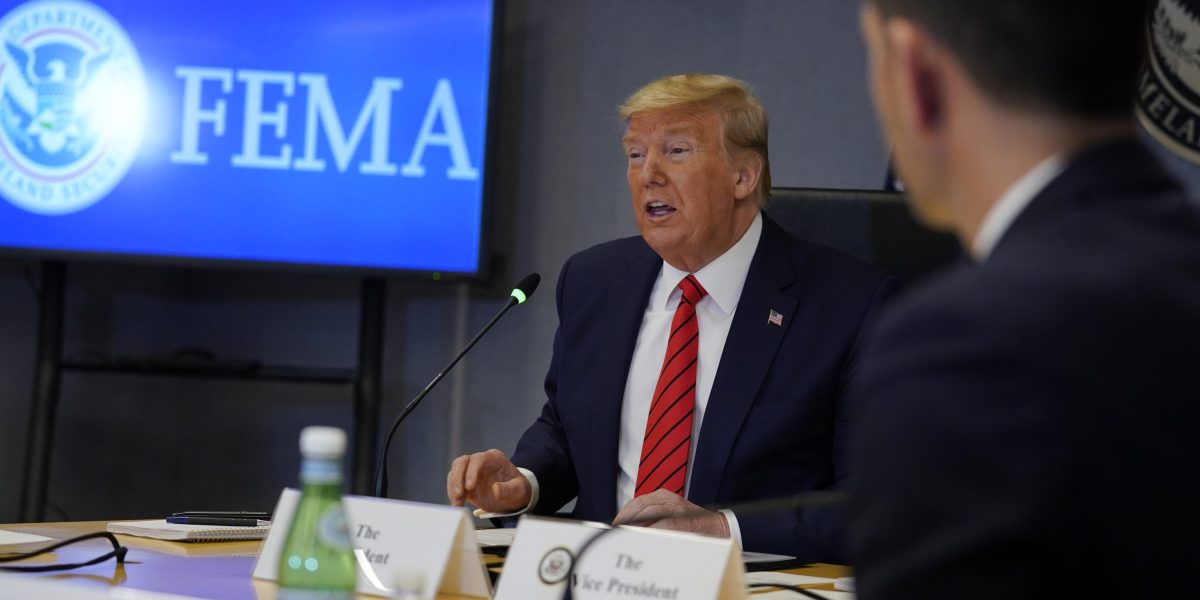
The meeting comes as US President Donald Trump faces pressure to halt the steep rise in the crude oil price since the start of the war. The average US petrol price rose to $3.45 a gallon by Sunday, from $2.98 a gallon a week ago, and is destined to go higher unless Trump can reverse the trend.
The increase in oil prices over the past week has triggered global fallout, threatening an inflationary surge that could do lasting damage to economic growth across the world.
China, India, South Korea, Japan, Germany, Italy and Spain are among the biggest importers of crude, leaving them heavily exposed to price shocks.
Brent crude, the international benchmark, leapt 24 per cent in Asia trading on Monday to $116.71 a barrel but later fell back to be up almost 19 per cent at $110.85 after news of the G7 meeting. West Texas Intermediate, the US marker, rose 28 per cent to $116.45 before falling back to around $108, up almost 19 per cent.
The emergency petroleum stockpiles were set up as part of the creation of the IEA in 1974 following the Arab oil embargo, which sent crude prices soaring and triggered major fuel shortages across the western world.
The reserves are designed to allow big oil-consuming countries to respond to significant energy shocks.
There have been five collective releases by IEA member states since the organisation’s creation. The last two were in 2022 to counter the oil price surge after Russia’s invasion of Ukraine.
On Tuesday the IEA held an emergency meeting to consider options to tackle an emerging oil supply crisis. A document prepared for the meeting said the IEA stood “ready to act to support the stability of oil markets”.
The confidential document noted that IEA countries held more than 1.24bn barrels of public stocks in addition to another 600mn or so barrels of industry stocks that could bring additional supply to the market if required.
These stocks could cover nearly one month of total oil demand in IEA countries and over 140 days of net imports, the document said. The US and Japan account for about 700mn barrels of the 1.24bn barrel total.
The oil price surge risks undermining Trump’s vow to reduce inflation and lower energy costs. He already faces criticism from some Republicans for spending too much time on foreign affairs rather than tackling domestic cost-of-living concerns.
On Truth Social on Sunday evening Trump shrugged off any worries about the oil price surge. “Short term oil prices, which will drop rapidly when the destruction of the Iran nuclear threat is over, is a very small price to pay for U.S.A., and World, Safety and Peace,” he wrote, adding: “ONLY FOOLS WOULD THINK DIFFERENTLY!”
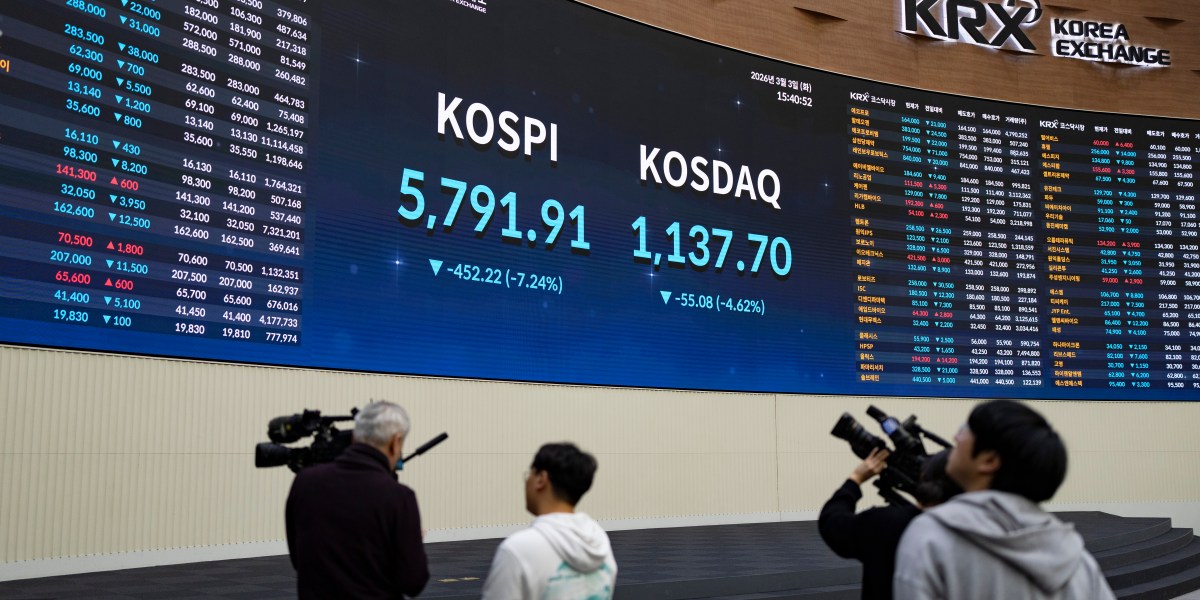
Stock markets across much of Asia tumbled on Monday in response to the oil price surge. US equity markets were also poised for steep losses on Monday, according to futures indices, which risks compounding financial market stress.
The decision to consider tapping strategic petroleum reserves marks a U-turn for the Trump administration, which said last week releases from the stockpile would not be needed to stabilise markets. But energy analysts said the record increase in oil prices over the past week left policymakers little choice but to release strategic stocks to try to soothe markets.
In an interview with the FT on Friday, Qatar’s energy minister Saad al-Kaabi warned the war could “bring down the economies of the world” and predicted Gulf energy exporters would stop production within days.
In a note on Sunday, Rapidan Energy Group warned IEA members would “come under intense pressure to release strategic stocks”.
China, which is not a full IEA member, also has vast oil reserves, which it has built up over the past 12 months. Analysts estimate that Beijing has between 1.1bn and 1.4bn barrels of oil that would potentially cover up to about 140 days of domestic oil import demand.
Credit: Source link