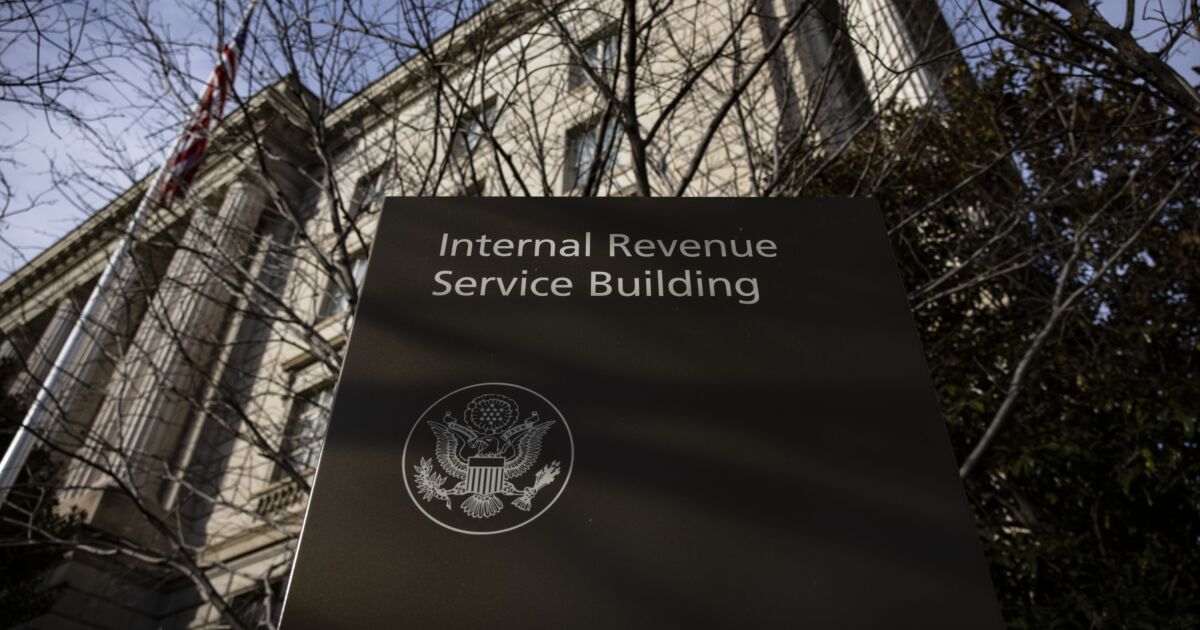
The Internal Revenue Service has not yet satisfied the goal of the Payment Integrity Information Act to reduce improper payment rates to less than 10%, according to a new report.
The
In accordance with the Payment Integrity Information Act of 2019, TIGTA has to annually assess and report on improper payment requirements and determine whether the IRS complained with them. The IRS calculated improper payment estimates for four programs that were considered to be high risk because they have improper payments exceeding $100 million annually.
The four programs and their improper payment rates are:
- Net Premium Tax Credit (29%);
- American Opportunity Tax Credit (28%);
- Earned Income Tax Credit (27%); and,
- Additional Child Tax Credit (11%).
The Treasury Department attributed the causes behind the errors to factors such as the complexity of the eligibility rules, inability to verify taxpayer-provided information prior to issuing refunds, lack of correctable error authority, and a requirement to issue refunds within 45 days.
“For example, when there are taxpayers who claim the same dependent, the IRS cannot determine which taxpayer is eligible at the time a tax return is filed, and the IRS must process both claims and complete post-filing activities such as issuing notices or conducting audits to determine eligibility,” said the report.
For the 2025 filing season, the IRS made a change in its Identity Protection PIN process that will accept electronically filed individual tax returns when a dependent has already been claimed on another return to reduce the burden on taxpayers and issue their refunds timely. But there was minimal impact of the duplicate dependent condition on total improper payments.
The IRS isn’t reporting improper payment rates for pandemic-related programs because they believe it would be an inefficient use of resources given the short-term nature of pandemic programs, according to the report, though the IRS is continuing to assess risks for pandemic-related programs, such as the Employee Retention Credit.
TIGTA made three recommendations in the report, suggesting the IRS should request additional legislative considerations to help reduce improper payments and analyze the impact of the new processing procedures for returns claiming duplicate dependents. The IRS agreed with all three of TIGTA’s recommendations.
“The refundable tax credit (RTC) programs examined in this report are designed to provide critical financial support to eligible taxpayers,” wrote IRS CFO Teresa Hunter in response to the report. “The IRS is committed to administering these programs effectively, ensuring that eligible taxpayers receive the credits to which they are entitled while maintaining program integrity and compliance with improper payment reporting requirements.”
She argued that the RTC errors are not a result of internal control weaknesses within the IRS’s processes, but the complexity of the eligibility requirements and the IRS’s reliance on taxpayer self-certification of accurate RTC claims put them outside the traditional improper payment framework.
Credit: Source link