Stay informed with free updates
Simply sign up to the US interest rates myFT Digest — delivered directly to your inbox.
Investors are rushing out of US debt as the war in Iran ignites worries about a fresh burst of inflation, sending the country’s borrowing costs surging by the most this month in a year and a half.
The two-year Treasury yield, which is particularly sensitive to Federal Reserve interest rate expectations, has soared half a percentage point so far this month to 3.9 per cent, while the 10-year yield, a key benchmark for borrowing costs worldwide, has jumped 0.44 percentage points to 4.38 per cent. Both increases are the biggest since October 2024.
A $69bn auction of two-year Treasuries on Tuesday drew tepid investor demand. Primary dealers, big banks that soak up debt not purchased by other institutions or investors, scooped up the biggest portion of the deal since October 2022, according to Vail Hartman at BMO Capital Markets.
This month’s sell-off underscores investors’ concern that the jump in energy prices triggered by the turmoil in the Middle East will lead to a protracted period of higher inflation and keep Fed policymakers from cutting rates in the near term.
Traders in the futures market are not pricing in a quarter-point rate cut from the Fed until December 2027, with a 30 per cent chance of a rate increase this year. Prior to the war, the market was betting that the Fed would make two or three cuts this year.
“The market is saying that the Fed is done for the next year or two. We went from talking about how much the Fed is going to cut to how long the Fed is on hold for. The narrative has completely shifted in terms of what the Fed will do this year,” said Brij Khurana, a portfolio manager at Wellington Management.
Evelyne Gomez-Liechti, a multi-asset strategist at Mizuho, said investors appeared to be reducing their Treasury exposure “as the Fed’s cutting cycle is being put to the test”.
The bond tumult is already ricocheting across the world’s largest economy, sending 30-year mortgage rates to 6.3 per cent, the highest this year, according to the Mortgage Bankers Association.
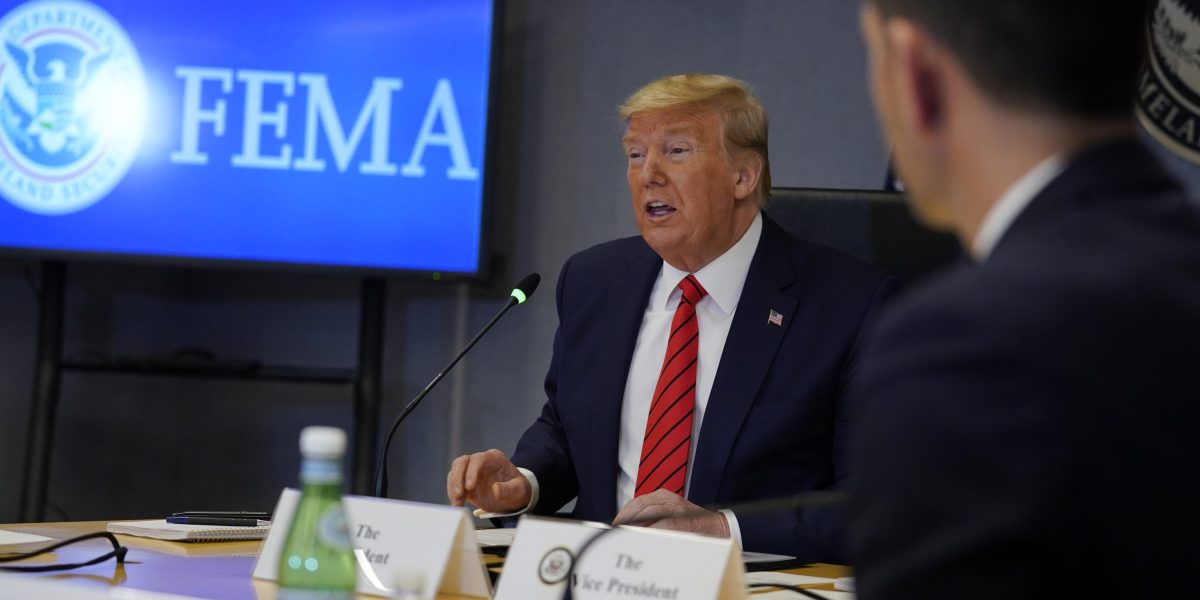
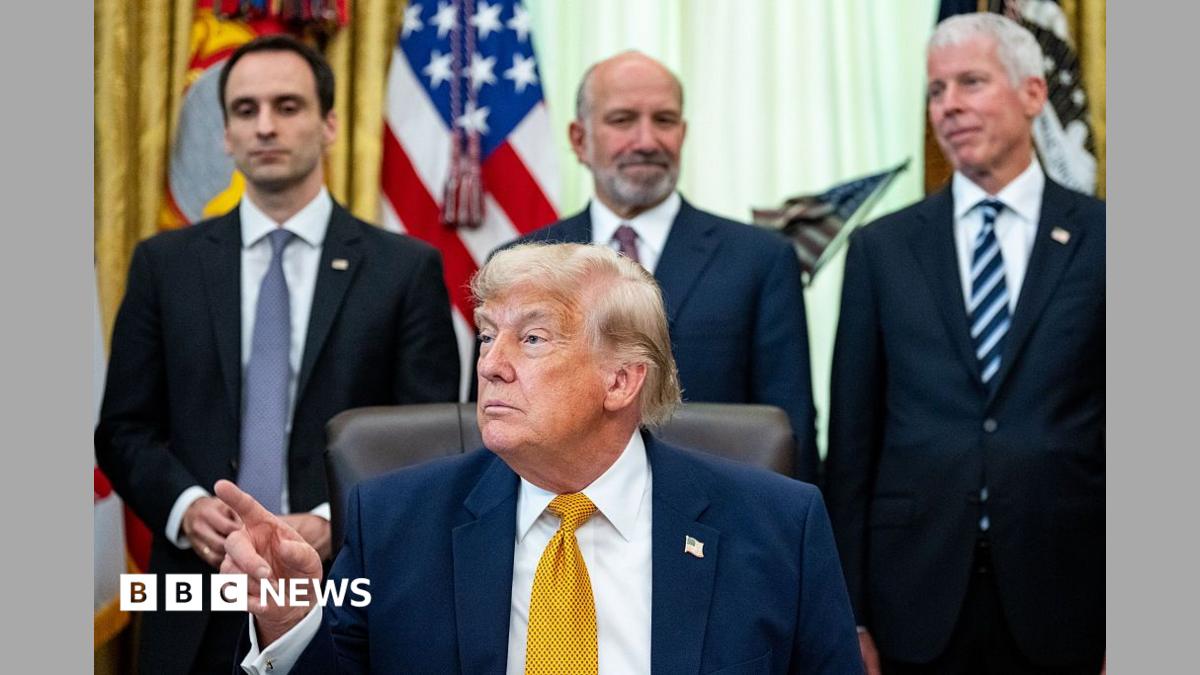
The higher mortgage rates represent a setback for President Donald Trump, who has made lowering the costs of home ownership a pivotal element of his plans to stamp out the affordability crisis before November’s midterm elections.
US government bonds underperformed European peers on Tuesday, with German Bunds broadly flat on the day.
While the bulk of the rate-setting Federal Open Market Committee said following last week’s central bank meeting that they still expect to make one quarter-point cut this year, chair Jay Powell emphasised that the outlook was clouded with uncertainty.
Rate increases were not the “base case” for most officials, Powell said — though he acknowledged they were discussed at last week’s policy vote.
On Monday, Chicago Fed president Austan Goolsbee said in an interview with CNBC that he “could see circumstances where we would need to raise rates”.
Jeffrey Lacker, the former president of the Richmond Fed, told the FT that officials should put “increases and decreases on the table” to prepare markets for the possibility that the next move could be an increase.
“I do think it’s sensible [that markets are beginning to price in rate rises],” said Lacker, who is now a scholar at the Mercatus Center at George Mason University. “I think the market rate expectations for this year are moving in the right direction.”
Additional reporting by Ian Smith in London
Credit: Source link