Unlock the White House Watch newsletter for free
Your guide to what Trump’s second term means for Washington, business and the world
Israel has agreed to halt its war with Hizbollah in Lebanon after pressure from Donald Trump, in a move that could bolster diplomatic efforts to secure a deal to end the US war with Iran.
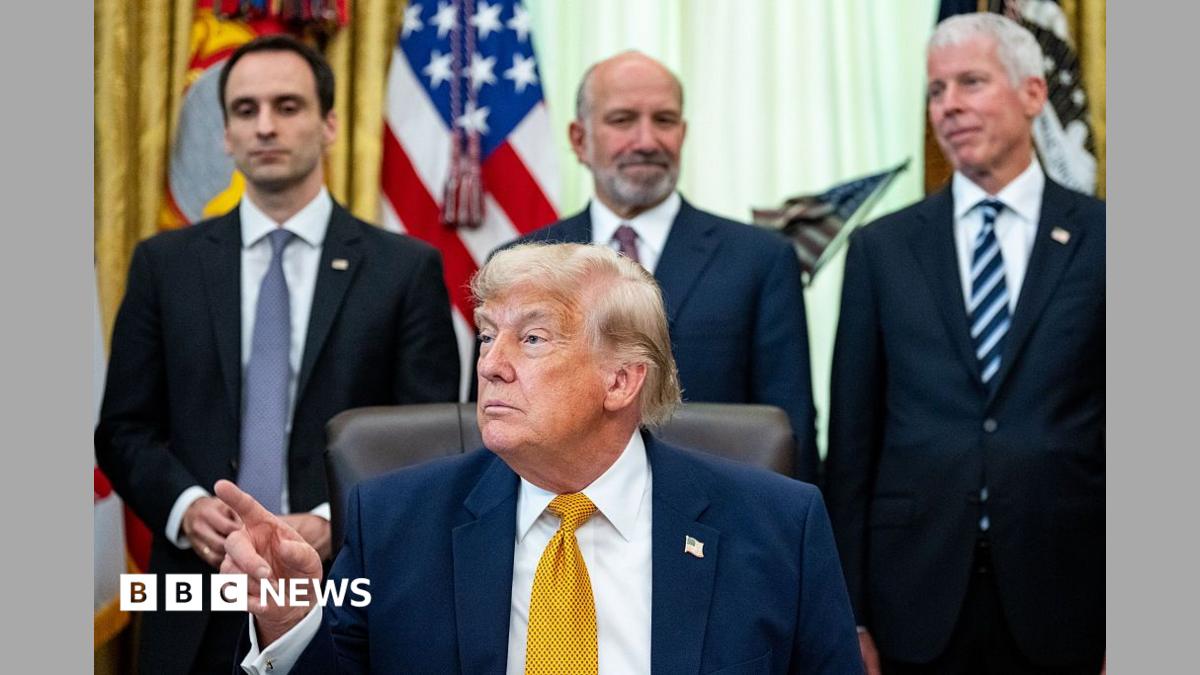
The US president said a 10-day ceasefire deal between Israel and Lebanon was agreed after he spoke to his Lebanese counterpart Joseph Aoun and Israeli Prime Minister Benjamin Netanyahu on Thursday. It was due to come into effect at midnight local time.
Trump’s push for a ceasefire between Israel and Lebanese militant group Hizbollah, Iran’s most important proxy, comes as mediators step up efforts to organise a second round of talks between the Islamic republic and the US. Trump said these talks could take place at the weekend.
Israel’s bombardment of Lebanon after the US and Iran signed a 14-day ceasefire on April 8 has been a key point of tension between the warring parties. Tehran and Pakistan, the main mediator, have insisted that Lebanon was included in the truce, but the US and Israel said it was not.
Trump said he expected Hizbollah to be bound by the 10-day ceasefire agreed by Israel and Lebanon. He also said he would invite Netanyahu and Aoun to the White House for what would be the first-ever talks between leaders of the two countries, which do not have formal diplomatic relations.
Lebanese prime minister Nawaf Salam welcomed the truce.
Hizbollah said: “Any ceasefire must be comprehensive across all Lebanese territory and must not allow the Israeli enemy any freedom of movement.”
Netanyahu said he had agreed to “a temporary ceasefire of 10 days”, but he insisted Israeli forces would remain in what he called a “security zone” stretching 10km into Lebanese territory for the duration of the truce.
He added that Israel would have two demands in the talks with Lebanon: “The disarmament of Hizbollah; second, a sustainable peace agreement.”
The US state department released a text of the ceasefire deal, agreed by the Israeli and Lebanese governments, which said the truce could be extended if the two countries agreed.
However, the text suggested Israel would retain leeway to continue attacking Hizbollah in Lebanon.
“Israel shall preserve its right to take all necessary measures in self-defence, at any time, against planned, imminent, or ongoing attacks”, the text said. “This shall not be impeded by the cessation of hostilities.”
The conflict between Israel and Hizbollah continued in the run-up to the ceasefire taking effect.
Israel launched air strikes on southern Lebanon. One strike on a residential building in the town of Ghazieh killed seven people and injured 33 more, according to Lebanon’s health ministry. Meanwhile, Hizbollah sent barrages of projectiles into northern Israel.
Trump’s announcement of a halt to the Israeli-Hizbollah conflict came as Asim Munir, Pakistan’s military chief and most powerful leader, held talks in Tehran with senior Iranian officials, including Mohammad Bagher Ghalibaf, one of Iran’s top wartime leaders, and military commanders.
Trump on Thursday expressed optimism that a new round of talks between the US and Iran could result in an agreement, saying: “It’s looking very good that we’re going to make a deal with Iran.”
He also said Iran had agreed to never acquire a nuclear weapon. The Islamic republic has always insisted its nuclear programme is for civilian purposes, despite it enriching uranium close to weapons-grade levels.
The US and Iran held marathon talks in Islamabad at the weekend to discuss Iran’s nuclear programme and the reopening of the Strait of Hormuz, but they ended without any clear progress on a deal to end the almost seven-week war.
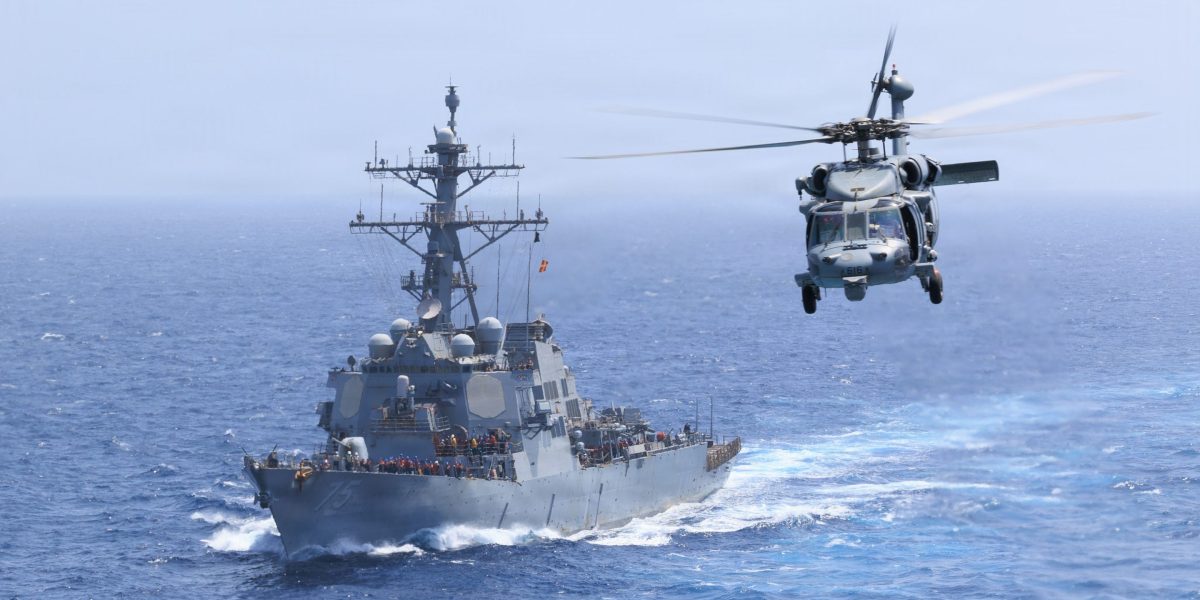
Trump then ordered the US navy to blockade the strait — through which about a fifth of the world’s oil and gas normally passes — to prevent ships entering or exiting Iranian ports and increase pressure on Tehran.
But the US and Iran have continued to exchange messages through mediators.
Two Pakistani government advisers briefed on the talks said Munir had told the Iranians that they should reopen the Strait of Hormuz if Trump secured a ceasefire to the Israeli-Hizbollah conflict in an effort to foster the conditions for renewed talks.
The US had made its ceasefire with Iran conditional on the Islamic regime allowing the free flow of vessels through the strait.
But Iran refused to fully reopen the strait after Israel launched a massive bombing campaign on Lebanon last week. Tehran has also insisted on charging fees to tankers transiting through the strategic waterway, the closure of which has triggered the biggest global energy crisis in decades.
The latest war between Israel and Hizbollah erupted after the militant group began firing across the Israeli-Lebanese border shortly after Trump and Netanyahu mounted their attack on Iran, killing its supreme leader Ayatollah Ali Khamenei in an initial wave of air strikes.
More than 2,100 people have been killed in Lebanon in the fighting. Hizbollah has killed 13 Israeli soldiers and two civilians in northern Israel.
Israeli officials had publicly boasted of their ability to separate the fronts between Iran and Lebanon and intensify the offensive against Hizbollah. But a person familiar with the matter said Netanyahu had no choice but to accept the truce after pressure from Trump.
“He [Netanyahu] needs to do these things because he got [Trump to act against] Iran exactly like he wanted,” the person said.
Additional reporting by Humza Jilani in Islamabad
Credit: Source link