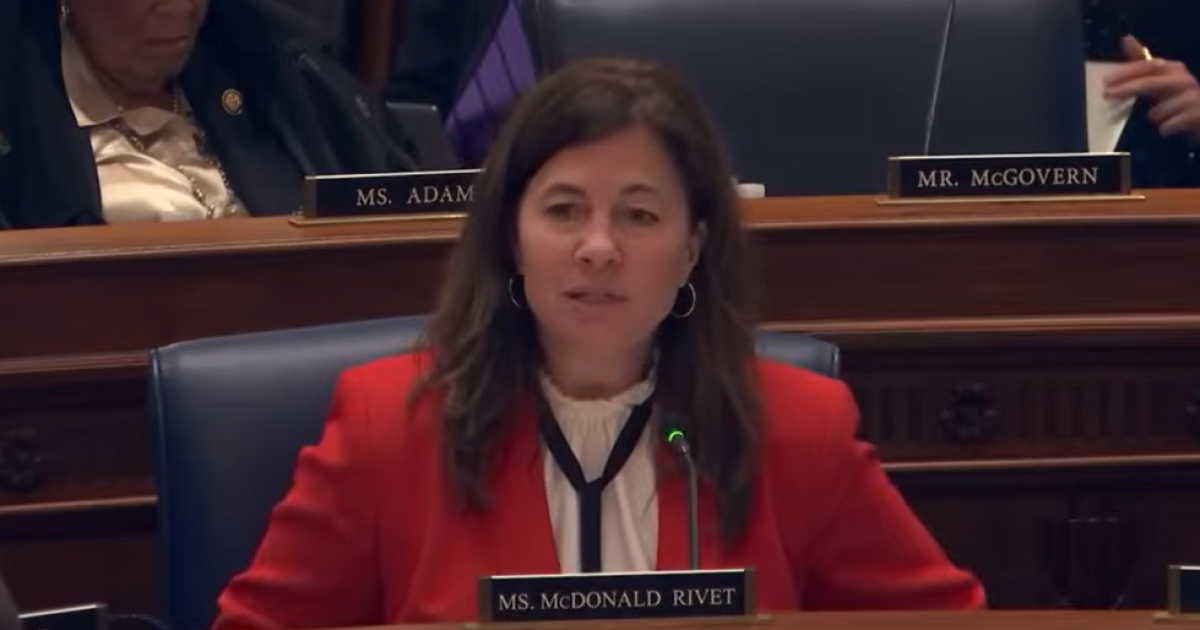
Rep. Kristen McDonald Rivet, D-Michigan, introduced the Working Parents Tax Relief Act, which would expand the Earned Income Tax Credit by giving parents up to an additional $5,500 per child under the age of four, for up to a maximum of three children and increasing the maximum qualifying income for the EITC to nearly $100,000 if the filer has children under the age of four.
Processing Content
The bill would also require the Treasury Department to create an optional monthly payment system for this EITC enhancement, so families can access their benefits throughout the year.
An analysis from PolicyEngine indicated the bill would cut taxes for over 4 million families and reduce the child poverty rate by 7% by 2035, with nearly 75% of the benefit going to families with incomes under $50,000.
“Bringing home a baby is the most magical moment of a parent’s life, but it is also the most expensive,” said McDonald Rivet in a statement last month on Tax Day. “Parents with toddlers today are working harder than ever, but still find it impossible to keep up with the out-of-control costs of housing, child care, groceries, and so much more. We need to cut their taxes now. Our bill puts thousands of hard-earned dollars back in their pockets, helping parents keep up with their bills while raising their families.”
The bill has attracted support from a wide array of groups, including Third Way, Detroit Regional Chamber, Americans for Tax Fairness, Chamber of Mothers, First Focus Campaign for Children, Economic Security Project Action, Center for Law and Social Policy, Flint & Genesee Chamber, Saginaw County Chamber of Commerce, Flint & Genesee Group, Children’s Foundation of Michigan, Single Family Living, Urban League of West Michigan, Feeding America West Michigan, Oakland Forward, Brilliant Cities, Anderson Economic Group, The Source, Lighthouse, Brightmoor Alliance, First Five Year Fund, Michigan Nonprofit Association, Michigan League for Public Policy, United Way of Midland County, and the Accounting Aid Society.
On Thursday, a
The EITC program has long been blamed for improper payments by the IRS and the Treasury Department. According to a separate
Credit: Source link