Crypto Journalist
Amin Ayan

Crypto Journalist

Share

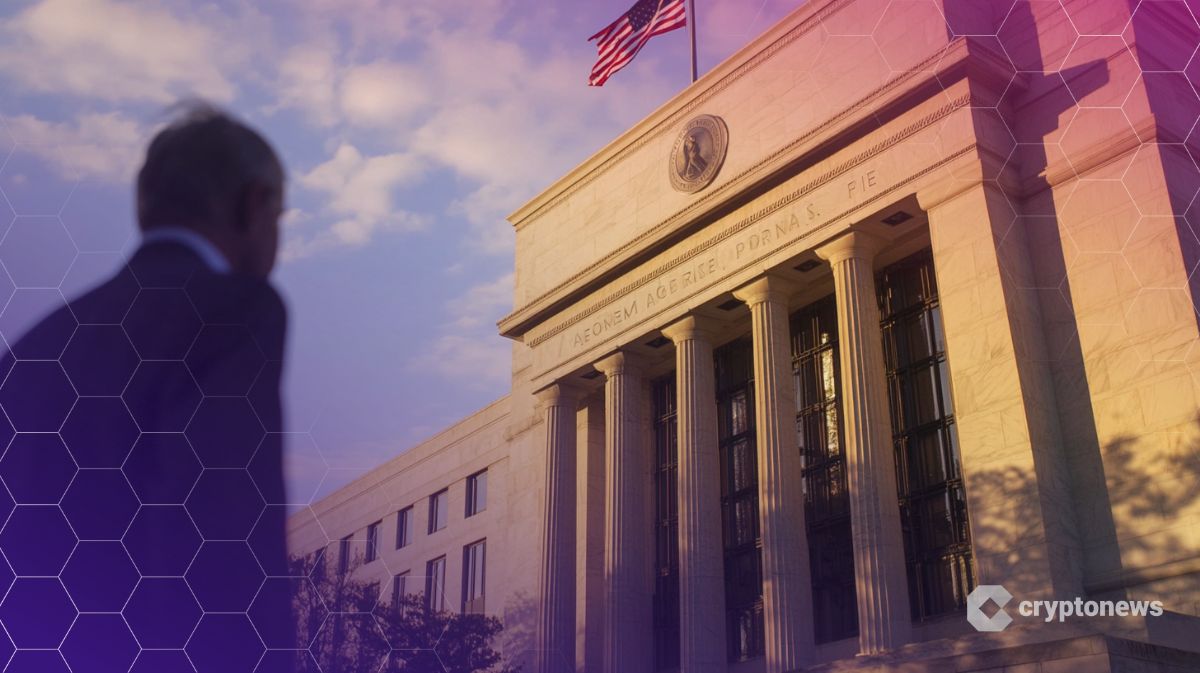
Most debanking cases in the United States are driven by government pressure rather than decisions made independently by financial institutions, according to a new report from the Cato Institute.
Key Takeaways:
- A Cato Institute report finds that most US debanking cases are driven by direct or indirect government pressure.
- The study identifies government debanking as distinct from political, religious, or operational account closures.
- Crypto firms are among the most affected, with regulators using regulatory risk to discourage banks from serving the sector.
The findings challenge a common narrative that account closures are primarily the result of political or religious bias on the part of banks.
Cato Report Breaks Down Three Forms of Debanking in the US
The report, published Thursday by Cato Institute analyst Nicholas Anthony, outlines several forms of debanking.
These include political or religious debanking, where accounts are closed based on beliefs or affiliations; operational debanking, where a bank exits a customer relationship for business reasons; and government debanking, which occurs when authorities pressure banks to cut ties with certain clients.
“While media and political narratives often attribute these closures to political or religious discrimination, this study finds that the majority of debanking cases stem from governmental pressure,” Anthony wrote.
He added that public records show repeated instances of officials intervening in financial markets, either directly or indirectly, to influence how banks manage customer relationships.
Crypto companies feature prominently in the report. Digital asset firms have long reported difficulties accessing banking services, fueling speculation that regulators have sought to curb the sector through informal pressure rather than explicit bans.
Anthony argues that such actions are not isolated but part of a broader pattern.
According to the report, government debanking typically takes two forms. Direct action includes formal letters or court orders instructing banks to terminate accounts.
Indirect pressure is applied through regulation or legislation that makes certain clients too risky for banks to serve.
Anthony cited actions by the Federal Deposit Insurance Corporation, which sent letters urging banks to pause crypto-related activities without providing clear timelines or follow-up, effectively forcing account closures.
Debanking Debate Intensifies as JPMorgan Faces High-Profile Claims
Debanking has also entered the public spotlight through high-profile disputes.
JPMorgan Chase CEO Jamie Dimon said in December that the bank does not close accounts based on political or religious views, while acknowledging that pressure from both major US political parties has influenced banking decisions.
Around the same time, Jack Mallers, CEO of Strike, said JPMorgan shut down his personal accounts without explanation. Similar claims were made by executives at ShapeShift.
Anthony said executive actions under Donald Trump and leadership changes at agencies such as the Securities and Exchange Commission have addressed some concerns but fall short of a lasting solution.
He argues that Congress holds the key by reforming the Bank Secrecy Act, ending reputational risk regulation, and lifting confidentiality rules that shield government pressure from public scrutiny.
“If Congress wants to reduce debanking, it must remove the tools that allow government agencies to quietly steer banks’ decisions,” Anthony said.
Credit: Source link