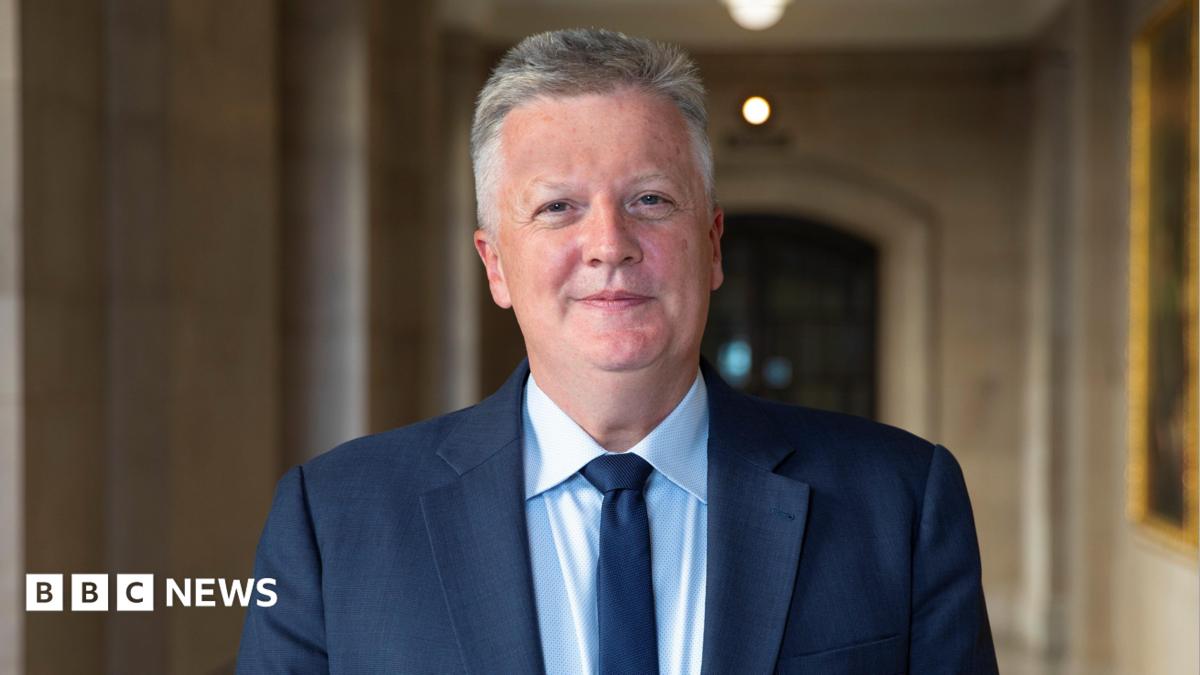
Fidji Simo, OpenAI’s second-in-command, announced this week that she is leaving her full-time role as CEO of artificial general intelligence deployment and moving to a part-time advisory position. This comes three months after going on medical leave for what she described on LinkedIn as “a severe exacerbation of a chronic illness I’ve lived with for seven years.”
Executive departures at newsworthy OpenAI always draw attention, but what makes this one relevant to workforce wellbeing is Simo’s frank sharing of the choices that preceded it.
‘Play the long game’
“When I went on leave, many people told me I was courageous for prioritizing my health,” Simo wrote in a LinkedIn post. “The truth is that I am only making this decision now because I failed to make it many times before.”
Her admission speaks to a common pattern of leave policies that go unused. Simo said doctors, friends, colleagues and loved ones encouraged her to slow down over the years. Two years after she became ill, Facebook, where she was then an executive, offered her a full year of medical leave. “I didn’t even pause to consider it,” she wrote. “At the time, [Zuckerberg] told me I should play the long game. I wish I had listened.”
Simo traces her reluctance to the same mindset that built her career. “What I’m learning now is that grit and endurance are not the only skills required to have impact over decades,” she wrote. “Sometimes the harder thing is to stop, listen and trust that taking care of yourself today makes it possible to contribute for much longer tomorrow.” She thanked CEO Sam Altman, president Greg Brockman and the OpenAI board “for offering a way for me to continue contributing to the mission without sacrificing my chances of recovery.”
Read more | Employee leave in 2026: A compliance perfect storm
Tech to ‘solve deeply human problems’
Simo also connected her experience as a patient to her view of what AI should do next. “It has been a jarring experience to spend my days helping build the future while simultaneously navigating a disabling disease that has no cure,” she wrote on LinkedIn, describing countless hours spent on symptoms, treatments, insurance “and all the invisible work that comes with being a patient.”
“More than ever, I believe that some of the most important opportunities for AI lie in helping people solve real problems in their daily lives: their health, their finances, their time and the everyday burdens that shape human experience,” she wrote. Simo co-founded a startup called ChronicleBio in 2025, which is focused on building an AI-ready data platform for historically overlooked conditions. Simo is also founder and president of the Complex Disorders Alliance, a nonprofit that supports scientific research into neuroimmune disorders.
Simo called curing disease “the most important thing AI could accomplish” and said she will continue pursuing that work. “For now, my focus is recovery,” she wrote. “But my belief in the potential of technology to solve deeply human problems has never been stronger.”
Credit: Source link