
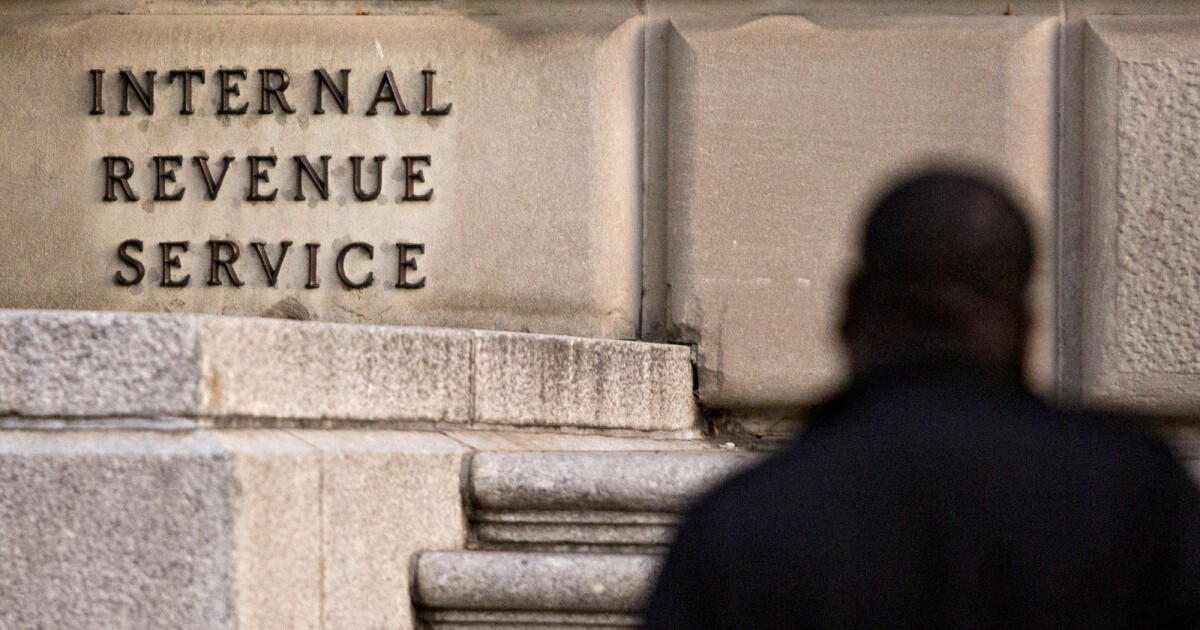
Government officials, attorneys, judges, prosecutors, campaign consultants, accountants, licensed professionals and other public-facing taxpayers sometimes assume that their status, education or reputation will insulate them if a tax issue arises. That assumption can be dangerously wrong.
Processing Content
Federal tax-enforcement authorities and prosecutors do not exempt sophisticated taxpayers from civil audits, high-risk eggshell and reverse eggshell tax audits, life-altering criminal tax investigations, grand jury subpoenas, indictments, restitution demands, exposure to incarceration or career-ending public fallout. In fact, once the government believes the conduct was willful, a taxpayer’s legal training, government position, access to financial systems or role of public trust can make the case far more damaging.
Recent federal enforcement history provides a clear testament. A
IRS-CI does not need a “typical” taxpayer to build a criminal tax case
IRS Criminal Investigation does not limit its work to cash businesses, offshore account holders or taxpayers who fit a simple fraud profile. Its FY2025 results indicate a broader, more technologically sophisticated enforcement environment. IRS-CI
For high-profile taxpayers, the danger often begins with facts that look inconsistent, not with a formal accusation. A public official may report modest income while campaign funds, consulting arrangements, reimbursements or pass-through entities create tax questions. An attorney may move money through trust accounts, law firm operating accounts, nominee entities, cashier’s checks or personal accounts in a pattern that appears designed to frustrate IRS collection or conceal legal source income.
A government employee or legal professional may claim personal expenses as business deductions, underreport consulting income, fail to file for multiple years, file false returns or make misleading statements to civil examiners before realizing that the matter has moved from a high-risk civil tax audit to a life-altering criminal tax investigation.
That transition can be catastrophic. The IRS and DOJ do not need a confession to prove willfulness. They can build tax cases through bank records, payment processor data, campaign records, entity records, emails, texts, subpoenaed accounting files, prior IRS notices, false invoices, altered books, luxury spending and inconsistent explanations. Once IRS-CI, the DOJ Tax Division or a United States Attorney’s Office begins viewing the matter as intentional conduct, the taxpayer’s sophistication can become part of the government’s theory that this was not mere confusion, but deliberate concealment by someone who knew, or should have known, the rules.
Public trust, legal training and status can make tax exposure worse
A public official, attorney or licensed professional not only faces the same tax, penalty and interest exposure as an ordinary taxpayer. The collateral damage can be far worse. A criminal tax prosecution can destroy credibility, end a law license, trigger disciplinary proceedings, impair public office, disqualify future opportunities, damage immigration or security-clearance prospects, and turn a private tax problem into a permanent public record. For lawyers, judges, prosecutors, accountants and elected officials, a tax charge is rarely “just a tax case.” It attacks honesty, judgment and fitness to hold public trust.
The DOJ’s public corruption and professional cases show how quickly tax counts can attach to broader misconduct.
The same principle applies to attorneys and other sophisticated professionals. A
High-profile taxpayers must control the narrative before the government
The most dangerous mistake a high-profile taxpayer can make is treating early tax contact as routine. A CP59 non-filer notice, revenue officer visit, civil tax audit document request, summons, subpoena, Franchise Tax Board inquiry, payroll tax demand or unexplained contact from federal agents may be the first visible sign of a much deeper issue. In a standard civil tax audit, the goal may be to substantiate deductions, reconcile income or resolve penalties. In a high-risk eggshell audit or reverse eggshell audit, the taxpayer may already know the return contains false or incomplete information, or the government may be quietly evaluating tax fraud indicators before the taxpayer appreciates the criminal tax exposure.
Swift and deliberate action matters. A taxpayer would be wise not to call the original preparer, accountant, campaign treasurer, bookkeeper, business partner, staff member or financial advisor to “get the story straight.” Those communications may not be privileged, and they can create witnesses against the taxpayer. A taxpayer should not backdate contracts, create new invoices, revise books without preserving prior versions, move money between accounts, destroy texts, give casual explanations to an examiner or speak to reporters about facts that may later become evidence. What looks like damage control in the moment can become obstruction, false statements, consciousness of guilt or evidence of willfulness.
This is where legal advocacy differs from accounting accuracy. Accountants generally focus on getting numbers right. Dual-licensed civil and criminal tax defense attorneys and CPAs must focus on advocacy, privilege, damage control and preventing audit facts from escalating into a criminal tax prosecution. Counsel must identify whether the issue involves unreported legal source income, illegal source income, false deductions, payroll tax pyramiding, trust fund recovery penalty exposure, campaign funds, law firm trust accounts, pass-through entities, digital assets, foreign accounts, cash transactions or false statements to federal agents. Where California state tax exposure exists, counsel must also assess Franchise Tax Board consequences, California state criminal tax statutes and parallel state-federal issues.
A high-profile taxpayer should preserve original records, including returns as filed, drafts, ledgers, QuickBooks files, bank statements, trust account records, campaign records, invoices, emails, texts, payment processor records, payroll filings and prior IRS or FTB correspondence. Do not “clean up” records by replacing bad documents with better-looking ones. Do not allow the original preparer, accountant, bookkeeper or campaign treasurer to control the response if their work may be part of the problem. The government can often recover prior versions, subpoena third parties, and compare records across banks, vendors, preparers, campaign committees, law firms, employers and digital platforms.
High-profile taxpayers cannot afford casual explanations, unprivileged accounting advice, original-preparer blame-shifting or public statements that prosecutors can later use against them. A tax case involving a public official, attorney or professional can threaten liberty, licensing, reputation, finances and the future of an entire career.
Credit: Source link




