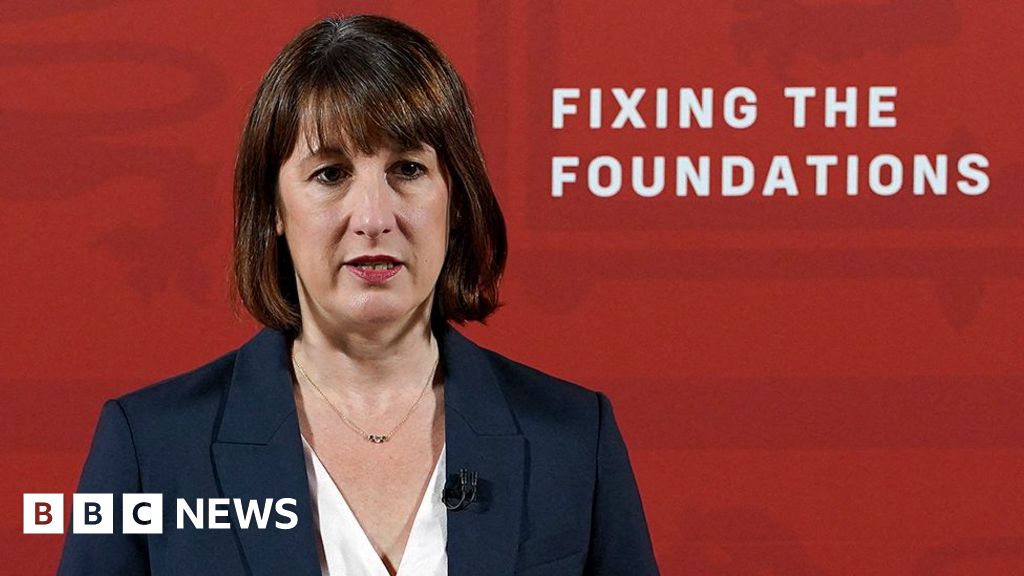
Labour and the Conservatives have been locked in a row over who is to blame for the lack of money in the public purse.
In response to Ms Reeves’ podcast interview, shadow chancellor Jeremy Hunt wrote on the social media platform X, external: “By refusing to take the difficult decisions needed, Rachel Reeves will do what she planned all along like every Labour chancellor in history – raise your taxes.”
On Monday, however, Ms Reeves had said the Conservatives’ “undisclosed” previous spending had forced her to axe the winter fuel allowance and make billions in other cuts.
Mr Hunt has denied this, saying the last government was “open” about public finances.
He insisted Labour’s decisions were a choice, criticising the government’s spending announcements since winning power.
The National Wealth Fund, GB Energy, and public sector pay rises added up to billions, he said.
“If you make those choices, you’re going to have to put up taxes and she should be upfront that those are her decisions,” he told BBC Breakfast on Tuesday.
The Institute for Fiscal Studies (IFS) has said some of Labour’s claims of hidden spending by the previous government “appear” to be correct.
This includes £6.4bn on the asylum system, including the Rwanda deportation scheme, a number that IFS director Paul Johnson called “huge”.
However, he added “half of [the] spending ‘hole’ is public pay over which government made a choice and where pressures were known”.
Labour has already confirmed some tax rises and the chancellor has previously alluded to “difficult decisions” needing to be made.
On Monday, Ms Reeves announced a windfall tax on oil and gas companies, in addition to the VAT on private school fees – both of which were manifesto commitments.
In response, Liberal Democrat Treasury spokesperson Sarah Olney urged Labour to go further and make large companies “pay their fair share” of tax.
Credit: Source link