There may be more significance to the Fitch downgrade than meets the eye.
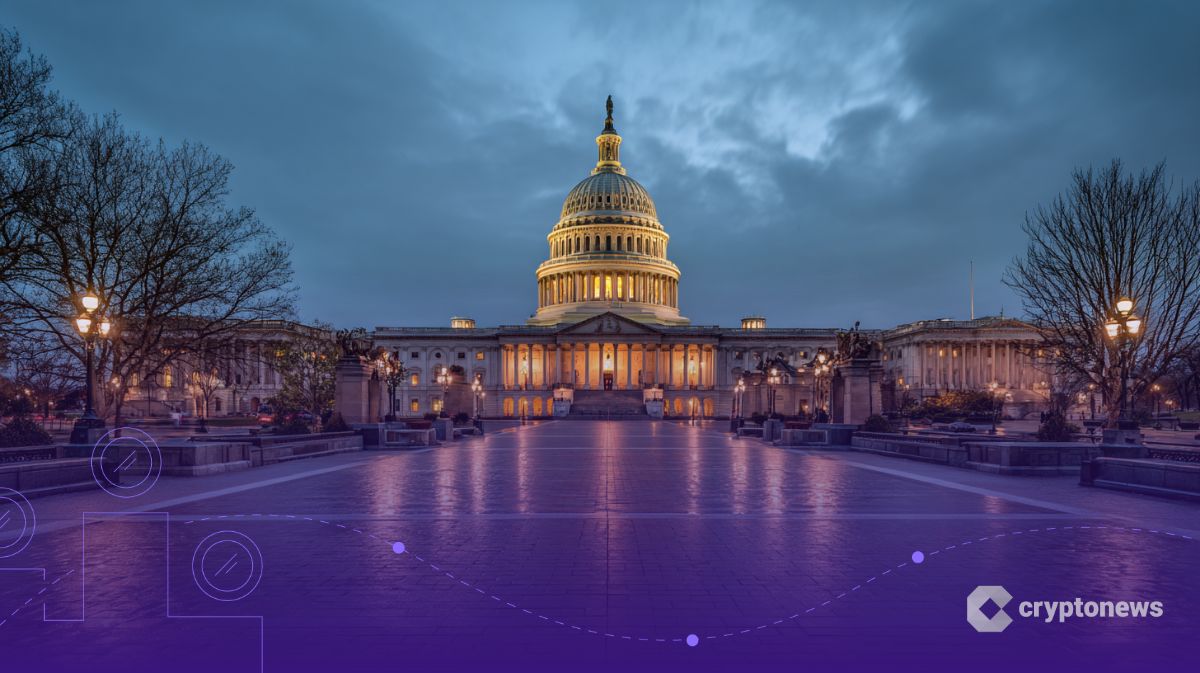
By now, most corporate leaders have the main story line: the controversial decision of the Fitch Ratings agency to downgrade the long-term credit rating of the United States. And they’re aware of the impact, if any, it may have on their company’s investment strategies and financial planning.
But they may not be aware of “the rest of the story”, as Paul Harvey would say. It’s the need to confront the broader, deeper and more discreet risks arising from what Fitch calls out as ‘the steady deterioration in the standards of government.” It’s the risk that after almost 250 years, the democratic experiment remains fragile, with all of its attendant implications for the economy.
Much of Fitch’s concern is with the impact of partisan “brinkmanship” on the nation’s debt ceiling; “the repeated debt-limit political standoffs and last-minute resolutions [that] have eroded confidence in fiscal management.” And the recent bipartisan agreement to suspend the debt limit until January 2025 didn’t move the needle much from Fitch’s perspective.
Other Fitch concerns include the government’s lack of a medium-term fiscal framework; its complex budgeting process and it limited progress in tackling medium-term challenges related to rising social security and Medicare costs due to an aging population.
The commentators have been split on the Fitch decision. To some, it’s only a “symbolic move”, while to others, it’s “deserving of attention”. The Wall Street Journal views it as a warning of “deficits and interest rates feeding back on each other at growing cost to both economic growth and taxpayers”. And at the very least, it’s a useful reminder of the near term potential for a government shut-down this fall, should Congress be unable to reach agreement on how, where and what level of federal funds should be spent.
But the more important reminder from the Fitch decision may be the risk of economic and social volatility not only from continued brinkmanship, but of also from further “deterioration in the standards of governance” should the political situation grow more extreme.
That “big picture” reminder may be unintended, but it is, nevertheless, an inescapable observation from Fitch’s report. How much more is at risk from the dark clouds of uncertainty looming over the current presidential election? How will the rating agencies react, and the economy respond, should the concurrent judicial and election processes resolve in unexpected and uncharted ways? With violence? With further deterioration of institutions? If, to paraphrase Yeats, the center cannot hold?
These are risks which business leaders must, unfortunately, anticipate, if they are to help secure the long-term sustainability of the corporate mission. The proverbial sky may not yet be falling, but as Fitch intimates, it may certainly grow closer to the ground over the next election cycle, at least. If leaders are to sincerely address the interests of their workforce, their customers and ultimately their communities, they must be on the alert to further signs of the decline of government.
Board members in particular must prepared to “lean in” with respect to both the affairs of the company and the portfolio of the leadership team. They’ll be expected to help confront the tactical and strategic implications to their company of any potential political, social, economic or regulatory volatility. And this won’t be limited to continued divided government, the 2024 elections and specific prosecutions. Other drivers may include questions concerning economic growth, trade conflict, income inequality, inflation and, more generally, continued societal fragmentation.
These risks may also prompt leadership to reconsider the vitality of the corporate social voice; whether to more forcefully speak out, in order preserve the expected standards of governance. And boards may more aggressively seek out director candidates with business strategy experience; the “glue guys”, who can truly “see the whole field”, rather than just one specialized corner of it.
Ours is both a resilient society and economy. The capacity to withstand crisis and instability seems inbred in the national fabric. Overreaction and “crying wolf” are discouraged business practices. But corporate leadership cannot afford to stand by should the standards of governance further deteriorate from hyper partisanship.
The hidden message of the Fitch downgrade decision is for these leaders to prepare for coming turmoil, while not overreacting. Even if anarchy is not quite yet loosed upon the world.
Credit: Source link