Unlock the White House Watch newsletter for free
Your guide to what Trump’s second term means for Washington, business and the world
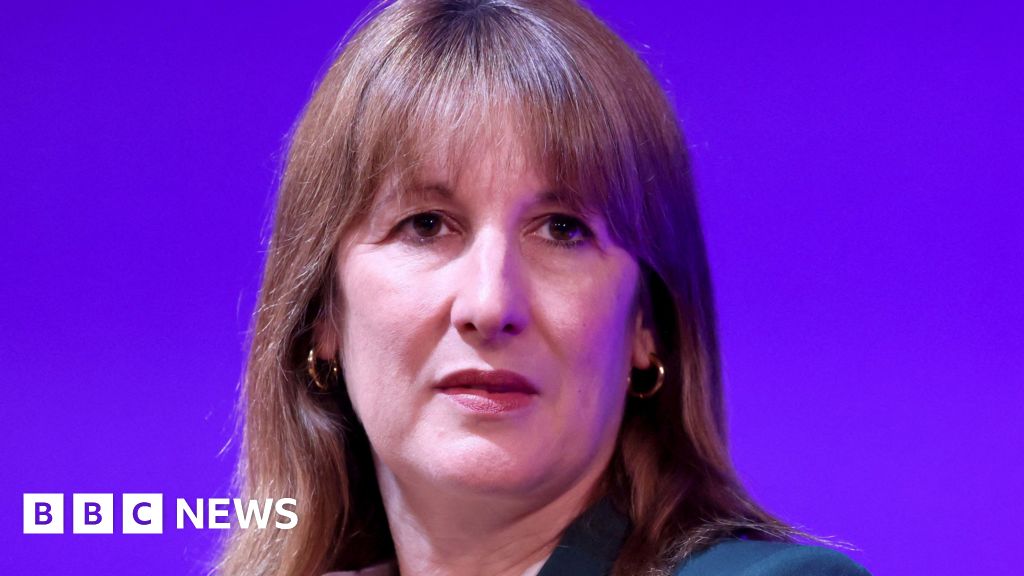
The UK economy grew 0.1 per cent in August, a lacklustre figure that matched expectations but suggested that tax rises and high interest rates are weighing on activity, as chancellor Rachel Reeves prepares for a tough November Budget.
The monthly GDP figure was in line with the forecast of economists polled by Reuters and compared with a 0.1 per cent fall in July, revised from no growth in previous estimates, according to the Office for National Statistics.
“The meagre rise in real GDP in August suggests growth is still being hampered by high interest rates, higher taxes and soft overseas activity,” said Ruth Gregory, economist at Capital Economics.
Thursday’s data was released as Reeves contends with the twin challenges of repairing the public finances and boosting growth in the Budget on November 26.
The chancellor is widely expected to raise taxes to fill a fiscal hole that economists estimate at between £20bn and £30bn and has said that higher levies on the wealthy will be “part of the story”.
In the three months to August, a less volatile measure, GDP rose 0.3 per cent compared with the previous three-month period, the same rate as in the second quarter.
However, this was sharply down from the 0.7 per cent recorded in the first three months of the year, when activity increased in anticipation of Donald Trump’s tariffs.
Businesses have since had to grapple with an increase in taxes, a higher minimum wage and the US president’s trade war.
Expectations of further tax rises in November are weighing on corporate and consumer sentiment, while employment is falling, threatening growth in the second half of the year.
Conservative shadow chancellor Sir Mel Stride said Thursday’s figures “show that growth continues to be weak and Rachel Reeves is now admitting she is going to hike taxes yet again, despite all her promises”.
The Treasury said: “We have seen the fastest growth in the G7 since the start of the year, but for too many people our economy feels stuck.
“The chancellor is determined to turn this around by helping businesses in every town and high street grow, investing in infrastructure and cutting red tape to get Britain building,” it added.
Last month, the Bank of England said it expected growth of 0.4 per cent in the third quarter, but warned of “downside domestic and geopolitical risks around economic activity”.
However, Rob Wood, economist at Pantheon Macroeconomics said the new figures pointed to a smaller 0.2 per cent growth in that quarter.
The pound was up 0.3 per cent against the dollar in morning trading at $1.344.
Commenting on Thursday’s GDP figure for the three months to August, ONS director of economic statistics Liz McKeown said: “Services growth held steady, while there was a smaller drag from production” than in previous figures.
She added that the main contributors to the services’ growth were business rental and leasing and healthcare, though she said these were partially offset by weakness in some consumer-facing services and among wholesalers.

Suren Thiru, economics director at the ICAEW professional body, said that November’s Budget was “casting a long shadow over the UK economy”.
She added that “growing worries over more tax rises” were “likely to prompt greater caution among consumers and businesses”.
Despite slower growth, economists expect the BoE to hold interest rates at 4 per cent next month as officials focus on bringing down still-high inflation.
Thursday’s ONS data showed that output in the services sector rose 0.4 per cent in the three months to August, driven by the healthcare and administrative sectors.
By contrast, output in consumer-facing services such as bars and restaurants contracted 0.6 per cent, pointing to continued weakness in consumer spending. Manufacturing showed no growth in the three months to August, while construction rose 0.3 per cent.
Separate ONS data also published on Thursday showed continued weakness in Britain’s goods exports and strength in its services trade performance.
The trade in goods deficit widened by £3bn to £58.4bn in the three months to August 2025, while the trade in services surplus is estimated to have widened by £1.3bn to £53.2bn.
Exports of goods to the US, which are now subject to higher tariffs, fell by £0.7bn in August and “remained relatively low”, the ONS said.
Additional reporting by Ian Smith
Credit: Source link