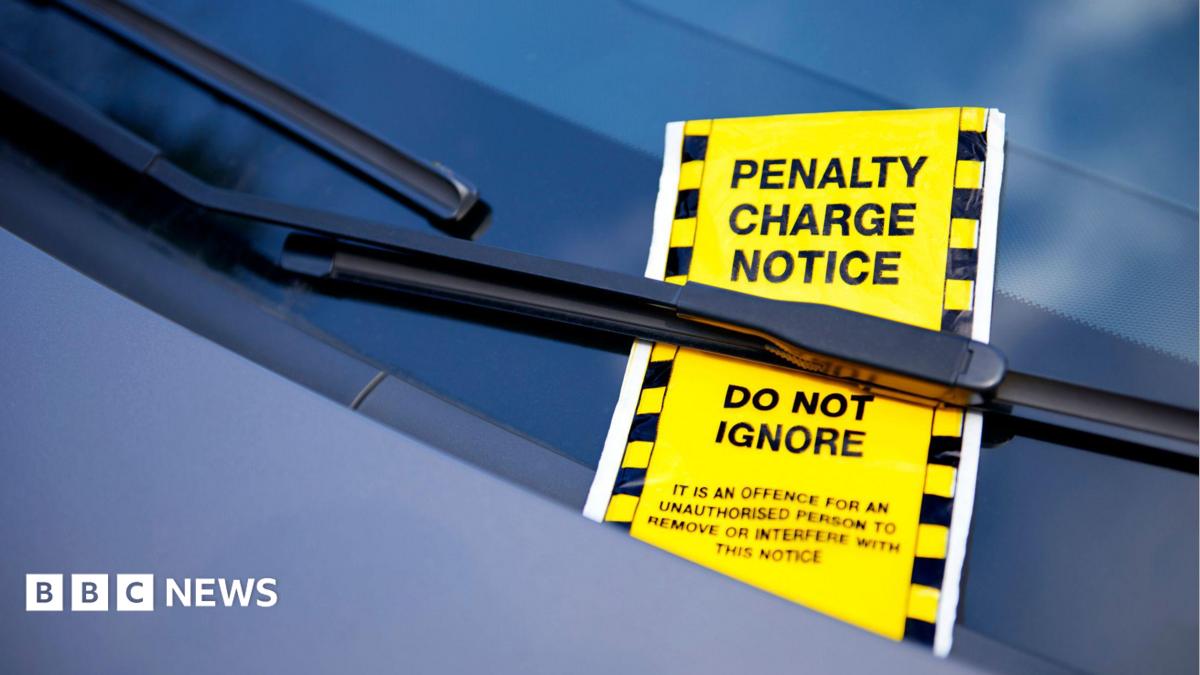
Two decades ago, two economists — Raymond Fisman and Edward Miguel — studied the patterns of parking tickets issued to UN diplomats in New York.
Yes, that topic sounds obscure. But investors should take note, ahead of the US election.
For what the Fisman-Miguel study showed is that while some cultures operate with so-called “universal” concepts of the law (ie it applies to everyone, always), others use “situation ethics”, to cite a phrase from social science and philosophy.
And this distinction offers one way to frame the issues in the 2024 presidential race. Most notably, while the putative contest between the Republican candidate Donald Trump and his potential Democratic rival Kamala Harris is being presented as a symbolic battle between male/female, conservative/progressive and white/non-white candidates, it also presents a tussle between “universal” and “situational” visions of law. And that matters enormously to investors — both inside and outside America.
To understand this, start by thinking about those parking tickets. Until 2002, UN diplomats in New York enjoyed immunity from fines — there was “essentially zero legal enforcement of diplomatic parking violations”, as Miguel and Fisman note. But they did not respond to this pattern evenly.
On the contrary, most of the 150,000 unpaid tickets (which would have amounted to $18mn in fines) incurred between 1997 and 2002 came from officials from countries such as Egypt, Pakistan, Nigeria and Brazil. And when New York removed the diplomatic immunity in 2002, Italy became the biggest source of unpaid fines. But diplomats from the UK, Canada, Sweden and Australia produced almost no tickets before 2002, and even when they did receive them they paid the fines. So, too, for officials from Singapore and Japan.
Fisman and Miguel attribute this to differing “corruption norms”: apparently “diplomats from high corruption countries . . . have significantly more parking violations” than others. They also note that violations were higher in cultures with an anti-American ethos.
However, from my own training in cultural anthropology I prefer to view this as a clash between cultures with a universal norm of the law and morals, versus those with a situational ethos. Scandinavian diplomats observed parking laws even when there was no cost for breaching them and no one was watching; Italian or Brazilian diplomats were tactical in their approach.
Echoes of this are now seen in US politics. Harris, the vice-president who has been endorsed as presidential nominee by Joe Biden, is a former prosecutor and is thus trained in universal law ideals. So it is no wonder that this week she depicted Trump’s “type” as “cheaters who broke the rules for their own gain”.
Biden also displays a universalist mindset. He has refused to give a presidential pardon to his son Hunter Biden over recent convictions; apparently he thinks no one should be above the law.
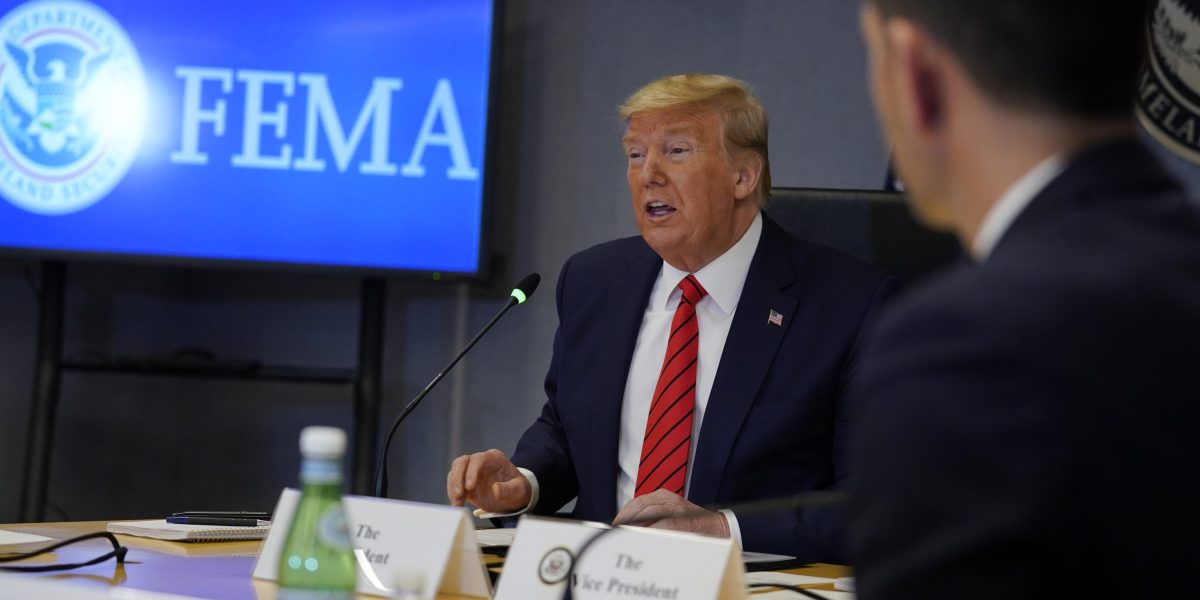
Trump, however, has a string of legal convictions to his name — most recently around the Stormy Daniels case — and operates with a tactical mindset towards rules; it is hard to imagine him voluntarily paying a parking fine. Moreover, he has urged his supporters also to embrace a situational vision, arguing that his legal convictions are “fake”, created by Democrats for political ends.
Consider, too, Robert Lighthizer, Trump’s former trade representative and now a leading contender to be Treasury secretary if Trump wins. In meetings that I have observed with non-US government officials, Lighthizer has argued that no trade agreement is ever sacrosanct, universal or permanent. Instead, as his recent book notes, he believes deals can and should be refashioned to uphold national interests, whenever needed. For Lighthizer, trade law is about leverage and power.
I daresay some Republicans will deride this framing as too simplistic. Fair enough: these distinctions are poles on a spectrum, not neat categories, and some Democrats have displayed a situational mindset, while some Republicans pride themselves on being constitutional fundamentalists.
Nevertheless, there are three crucial points to note about the election. First, as the anthropologist Joseph Henrich has noted, insofar as Trump has a situational mindset, this is not unusual by the standards of global history: on the contrary, most cultures have had it. It is the modern idea of “the rule of law” — as US courts proclaim — that is the outlier.
Second, since this universalist rule-of-law concept has defined US identity in recent decades, and been a pillar of modern capital markets, most investors are ill-prepared for a world where it might be challenged.
Third, anyone who views the US judicial system as a check on Trump should not just discuss whether (or not) he has broken any law, but shout from the rooftops about the distinction between “situational” and “universal” rules.
After all, voters — and investors — need to know what is at stake in the race. So my plea to the moderators in any election television debates is this: please make sure to tell the candidates about the UN parking study — and then ask them what they do if faced with a fine, in a state of immunity? Pay — or not? The answers would be revealing, particularly from Trump’s running mate, JD Vance, who is not just shaping populist economic policies but also himself in possession of a Yale law degree.
gillian.tett@ft.com
Credit: Source link