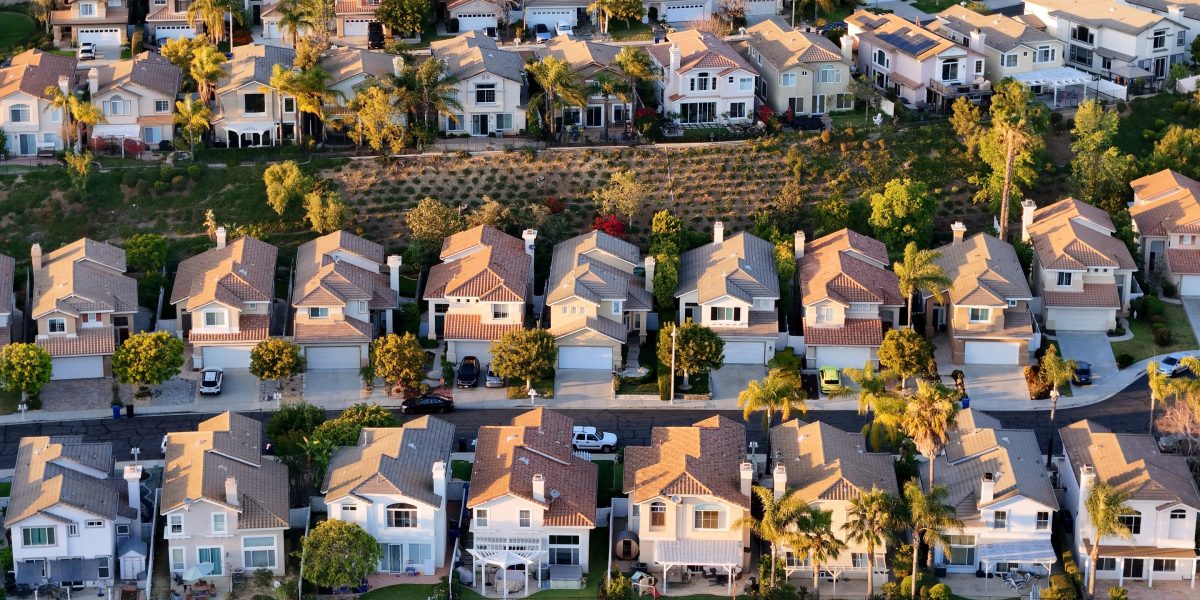
The picture of an American springtime usually looks something like this: sunny days, chittering birds, and, on many suburban streets, a congested driveway full of eager prospective homebuyers gathering for an open house.
Spring is usually when the U.S. housing market heats up, as potential buyers start shopping ahead of desired summer move-ins. But the 2026 housing market has gotten off to a rough start, as affordability concerns continue to weigh down activity and disrupt the industry’s seasonal rhythm.
Defying historical norms, home sales fell last month, according to data published Monday by the National Association of Realtors (NAR). Existing home sales for March dipped 3.6% compared with February, and were down 1% from a year prior. The drop—which pulled the annualized sales pace below 4 million for the first time since June—suggests high mortgage rates and weakening sentiment among homebuyers are already bleeding into spring.
“March home sales remained sluggish and below last year’s pace,” Lawrence Yun, NAR’s chief economist, said in a statement, attributing the falling numbers to shrinking consumer confidence and a lower job creation rate.
The traditionally hot spring buying season has coincided with a souring economic environment impacting the decisions of many homebuyers. Mortgage rates, which nationally are averaging between 6% and 6.5%, remain the biggest obstacle, according to NAR, and might be unlikely to fall significantly this year. An uneven jobs landscape and disrupted energy markets owing to the war in the Middle East has made the Federal Reserve more sensitive to inflation in recent months, resulting in a pause on rate cuts.
Mischa Fisher, chief economist at Zillow, put it similarly in an analysis last month, arguing that higher unemployment and persistently high mortgage rates were likely to act as a “slight drag on the spring season.” Zillow’s outlook for 2026 changed drastically depending on how long high rates and unemployment weigh down the housing market. If the numbers normalize by May, home sales for the year would rise 3.48%, a percentage point less than Zillow’s previous estimate. But if the same conditions persist for the whole year, home sale numbers are more likely to decline compared with 2025, a significant signal pointing to an economic slowdown.
Besides high loan rates, prospective buyers are saddled with exorbitant home prices. NAR’s Yun noted that housing stock in the U.S. remains limited, with demand outstripping supply in part because the vast majority of homeowners still hold relatively low rates and have decided to stay put rather than put their house on the market. The shortage means the median home price last month was $408,800, a record high for March. The environment for prospective homebuyers was stark enough for NAR to revise its expectations for home sales growth this year to 4%, down from its earlier projection of 14% released last fall.
The regional picture is mixed. The Midwest and parts of the northeastern U.S. have seen modest activity gains, while affordability constraints have been most acute in Western states. Yun said that adding between 300,000 and 500,000 homes for sale would help return the market “closer to normal conditions.”
But because many homeowners are unwilling to swap out their relatively low rates, that shift might not happen this spring. Recent research has already pointed out how the housing market’s traditional seasonality has become an outdated norm since the pandemic. Factors like remote work and improved online real estate offerings have made it easier for prospective homebuyers to enter the market year-round. With mortgage rates stubbornly high and affordability still top of mind for shoppers, the traditional sweet spot for homebuying might be losing the last of its seasonal charm.
Credit: Source link