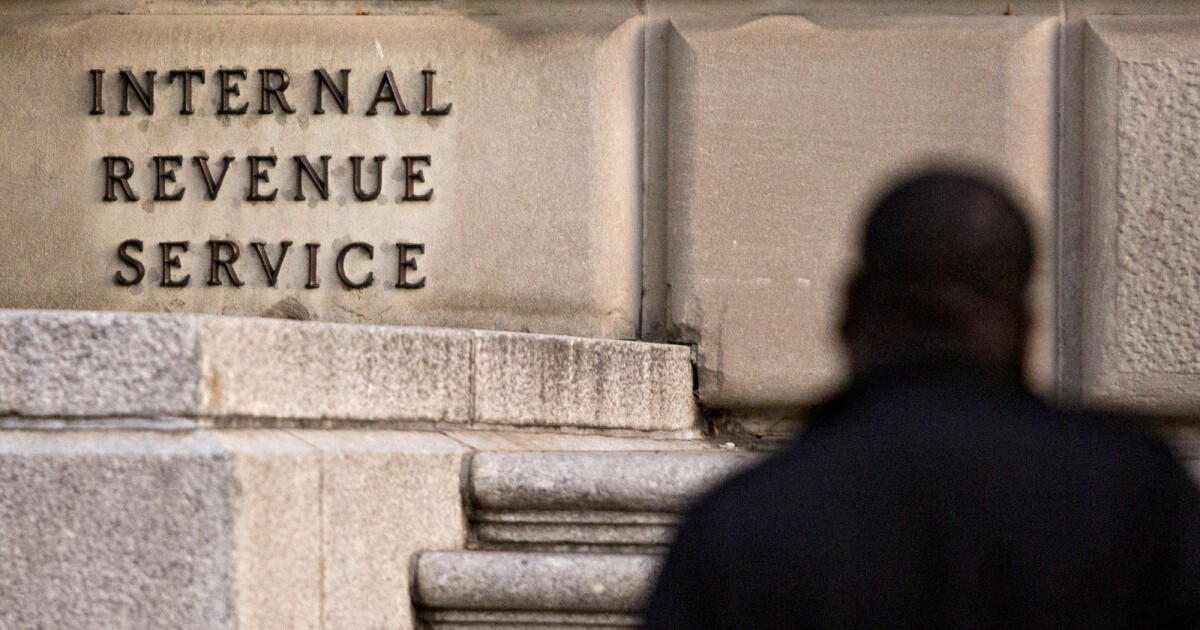
Frustrated real estate lawyers are pleading with New York City officials for more details on how a new tax on luxury second homes is going to work ahead of the Aug. 30 deadline when owners will find out how much they have to pay.
Processing Content
Several dozen real estate brokers and tax attorneys weighed in at a remote
Such city agency hearings are typically sparsely attended and pro-forma, but the city’s proposal for
In a heated exchange, Peter Blond, a tax certiorari attorney, called the new tax a “confiscatory and half-baked money grab.”
The new tax, a surprise late addition to the
City officials first published rules for how the tax would work in early June. Property owners will receive notices that they’re liable for the tax by Aug. 30, with just 30 days to contest the determination. Tax bills will be due in January 2027.
The 30-day window owners will have to prove their residency is too short, many commenters argued. They also cited outstanding questions, like whether the tax will be applied when apartments are temporarily vacant for repairs or rented to someone without a New York tax return.
Ownership structures
Some asked whether co-op apartment owners, whose taxes are assessed differently from condominiums, will be forced to pay for their rich pied-à-terre-owning neighbors if those owners fail to pay their new tax bill. Under the statute, co-ops currently have no authority to compel subject property owners to pay the tax, and the building will be liable regardless of whether or not the actual pied-a-terre’s owner decides to pay.
City Comptroller Mark Levine estimates the tax will ultimately affect roughly 11,000 properties, just 515 of which would be co-ops.
Zal Kumar, a tax principal at EY who worked for the Finance Department under then-Mayor Bill de Blasio, said the statute doesn’t account for “common ownership structures,” such as spouses establishing a trust to own a property. Under the current statute, only the “sole beneficiary” of the trust can demonstrate they deserve an exemption from the new tax because it’s their primary residence.
“Thinking in terms of partners or spouses establishing a trust to own a residence, that type of circumstance should allow the couple to qualify as covered owners and allow that space to be considered a primary residence,” he said.
Even the exemptions could lead to risk for owners, said Donna Olshan, president of Olshan Realty. Owners of properties rented to full-time residents won’t be subject to the tax, which could lead landlords to discriminate against any potential tenants who might not qualify as permanent city residents, she said.
People traveling to New York City for medical treatment or foreign students living in the city while attending college aren’t considered full-time residents under the state’s tax laws, but refusing to rent an apartment to a foreign student or a person with a disability could violate federal, state and local fair-housing laws, she said.
“All anybody’s asking for is clarity,” Olshan said. “Your job at Department of Finance is clarity, and this is all a gray area.”
Valuation system
The tax will be administered in two phases in order to address criticism that the city’s current property-tax code dramatically undervalues luxury apartments, allowing many owners to avoid the surcharge. For the next two years, single-family homes with a market value of $5 million or more will pay tax rates from 0.8% to 1.3%, while co-ops and condominiums worth $1 million or more will pay rates of 4% to 6.5%.
After July 1, 2028, city officials plan to
The Real Estate Board of New York said in written testimony that the city “must provide owners, shareholders, boards, and other market participants with the ability to understand how these values will be determined.”
Credit: Source link