Unlock the White House Watch newsletter for free
Your guide to what Trump’s second term means for Washington, business and the world
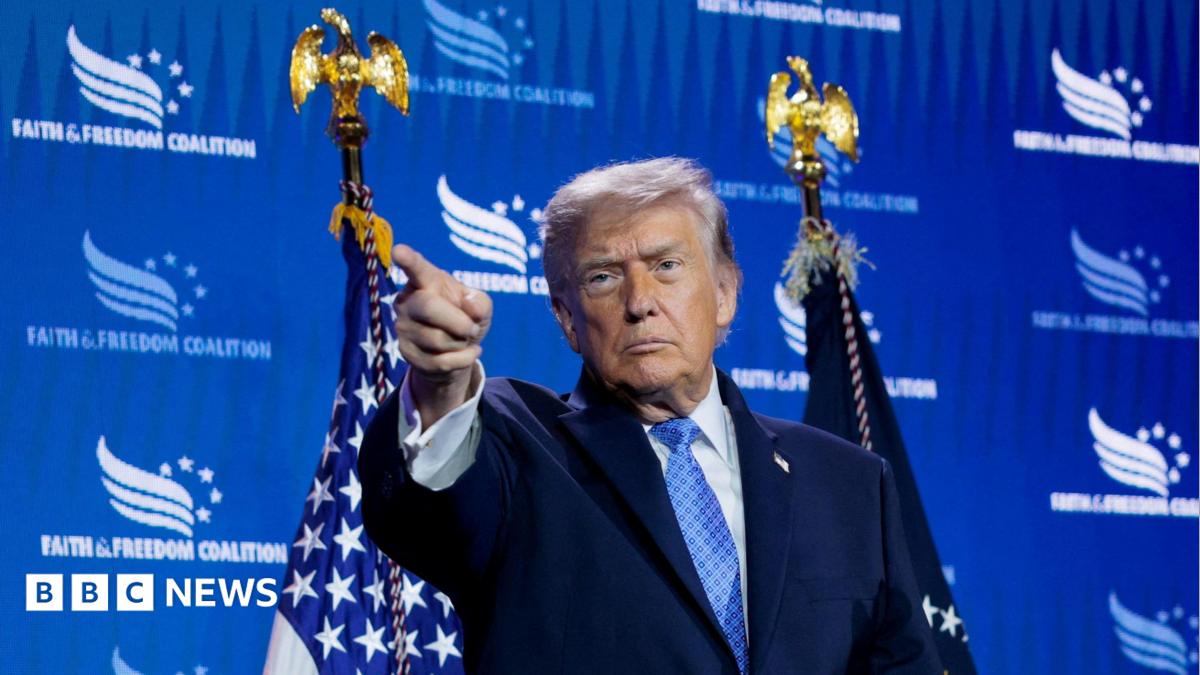
Good news for American soccer fans. Folarin Balogun, one of the breakout stars of this year’s World Cup team, is still a US citizen courtesy of a landmark Supreme Court ruling on Tuesday that swatted down President Donald Trump’s attack on birthright citizenship.
Balogun, who was born in Brooklyn to Nigerian parents who were temporarily visiting from London, is as much a citizen as the direct descendants of the country’s founding fathers, the court held.
Chief Justice John Roberts’ closely watched opinion is a welcome — and overdue — defence of an inclusive definition of what it means to be an American, even as the country gears up to celebrate its 250th birthday.
The court ruled 6-3 that Trump’s executive order denying citizenship to the US-born children of undocumented migrants was illegal. A smaller 5-4 majority held that the principle that children born on American soil are citizens was enshrined in the country’s constitution in the 1860s.
“Citizenship, then and now, was the right to have rights — to freely participate in our political community. The Framers of the 14th Amendment extended that promise to ‘every freeborn person in this land’. We keep that promise today,” Roberts wrote.
Founded by religious pilgrims, adventurers and debtors all seeking a fresh start, the United States has always been based on the notion of welcoming newcomers from every country. The country’s decennial census did not even start asking where people had been born until 1850.
As Roberts writes in his opinion, Americans initially assumed that citizenship depended on where you were born unless you took steps to alter it. That changed in 1857 when the Supreme Court issued what is widely considered the worst decision in its history, Dred Scott, and helped provoke the Civil War.
After anti-slavery forces in the North won, the 14th Amendment reinstated the principle that soil, rather than blood, determined citizenship. But as immigration shot up at the end of the 19th century, so too did efforts to question the Americanness of the children born to unfamiliar arrivals. In 1898 a wise Supreme Court reinforced the promise of the American welcome by ruling that birthright citizenship also applied to a child of Chinese immigrants.
There matters stood for more than a century, as generations of immigrants, including two sets of my great-grandparents, set sail for America hoping for a better life. They never questioned whether their offspring would truly belong, even after Congress clamped down hard on immigration from Asia and southern and eastern Europe in the 1920s.
The current attacks on birthright citizenship coincide with the return of mass immigration. Nearly 15 per cent of US residents are foreign-born, the highest share since 1890, and more than one in four US children has at least one immigrant parent.
Today the Supreme Court has rightly held the line, but the five-justice constitutional bulwark against xenophobia is a very thin one.
At a time when many Americans are pessimistic about their own future and that of their country, it is easy to fear newcomers. What the US needs are regular reminders that immigration makes the country stronger rather than sapping its prosperity.
So here’s to the US men’s World Cup squad — more than half its members are dual citizens and six were born outside the country. Long may its run continue.
[email protected]
Credit: Source link