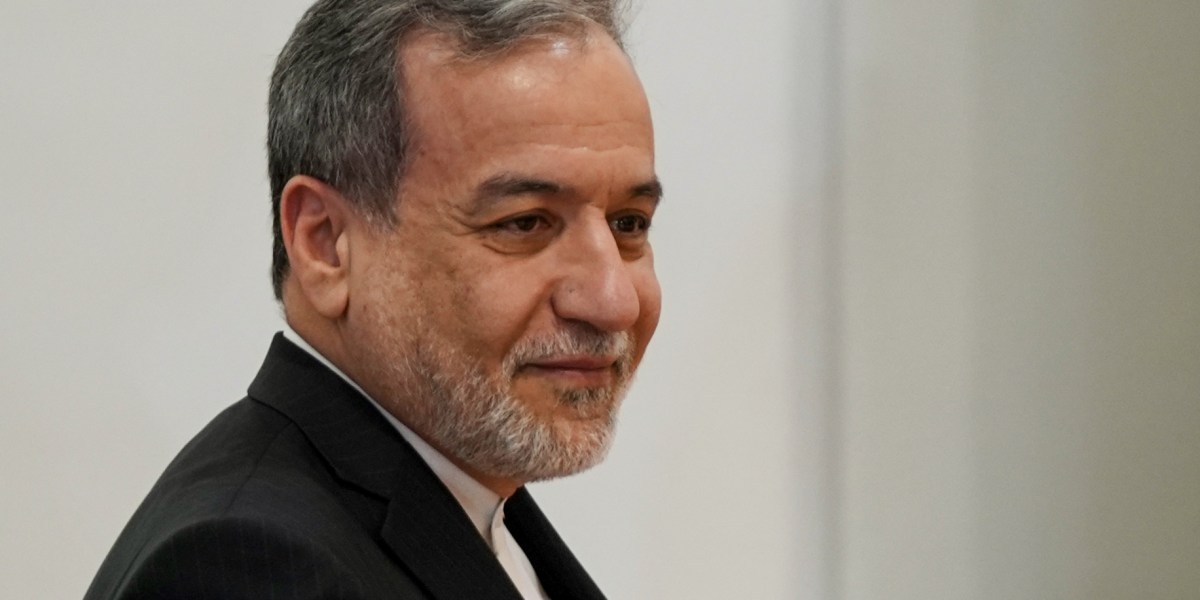
Target CEO Michael Fiddelke wasted no time reshaping the retailer’s leadership team. Less than two weeks into the job, Fiddelke announced a series of executive changes aimed at simplifying the company’s structure and accelerating growth.
For HR leaders watching from the outside, the moves offer a concentrated lesson in how organizational design can function as a strategic lever from day one.
Who is who in Target’s C-suite?
The changes, taking effect in mid-February, consolidate two chief merchandising officer roles into one. Cara Sylvester, previously chief guest experience officer, takes over as the company’s sole chief merchandising officer. Lisa Roath, who oversaw food, essentials and beauty as a merchandising chief, steps into Fiddelke’s former role as chief operating officer, according to a Target press release.
Melissa Kremer, executive vice president and CHRO, presumably remains in place.
Two long-tenured executives are out: Chief Commercial Officer Rick Gomez, a 23-year company veteran, is departing, while Chief Merchandising Officer Jill Sando is retiring after 29 years. Target is also conducting an external search for a chief guest experience and marketing officer.
“It’s the start of a new chapter for Target and we’re moving quickly to take action against our priorities that will drive growth within our business,” said Fiddelke in the release. “These leadership changes align the right talent and expertise with key roles and simplify our structure so we can advance our strategy with greater speed, clarity and accountability.”
Read more: Lessons from Disney’s high-profile CEO succession planning
Restructuring meets workforce reallocation
The structural changes extend beyond the C-suite. Target is increasing investment in store staffing while eliminating roughly 500 jobs at distribution centers and regional offices, AP reported. That simultaneous cut-and-invest approach puts a sharp point on a tension HR leaders across industries are navigating. CHROs at many orgs are thinking about reallocating workforce spending toward priority roles without framing the shift as pure cost reduction.
For a retailer operating nearly 2,000 stores with roughly 400,000 employees, the signal matters. Fiddelke is betting that store-level experience drives business recovery, a thesis that may carry direct implications for how HR teams think about headcount planning, role design and where payroll dollars land.
Employee loyalty is high but conditional
These moves arrive at a moment when employee sentiment adds important context. Mercer’s 2026 Inside Employees’ Minds report, released the same week, found that 73% of U.S. employees are not seriously considering leaving their organizations, up from 68% in 2023. Nearly three-quarters said they are confident they can achieve their career goals with their current employer.
But that loyalty comes with strings attached. Mercer found that employees are closely watching whether internal job postings lead to real movement, whether development is feasible alongside day-to-day work and whether leaders follow through on communicated plans. The recommitment, in other words, is conditional, according to Mercer.
Target’s internal promotions of Sylvester and Roath align with what the Mercer data suggests employees want to see: visible internal mobility and clear pathways. The external search for a guest experience and marketing chief signals where the bench has limits. That blend of internal advancement and targeted outside hiring is a model HR leaders can study.
Read more: Tech that helps frontline retail workers
The retail workforce challenge underneath it all
Mercer’s findings also highlight sector-specific pressures that add weight to Target’s moves. The report found that the AI adoption gap is especially pronounced in retail and healthcare, where around 40% of workers are not using AI tools at work or in their personal lives. Lower-income employees and hourly workers reported heightened financial and mental health challenges, and covering monthly expenses ranked as the leading unmet need across the workforce.
For HR leaders, the takeaway is layered. A new CEO can use org restructuring to signal speed and accountability. Internal promotions can reinforce employee commitment at a moment when loyalty is high but fragile. And frontline investment can address the very pressures that make retail workers the most vulnerable population in any workforce strategy. Target’s playbook is worth watching.
Credit: Source link