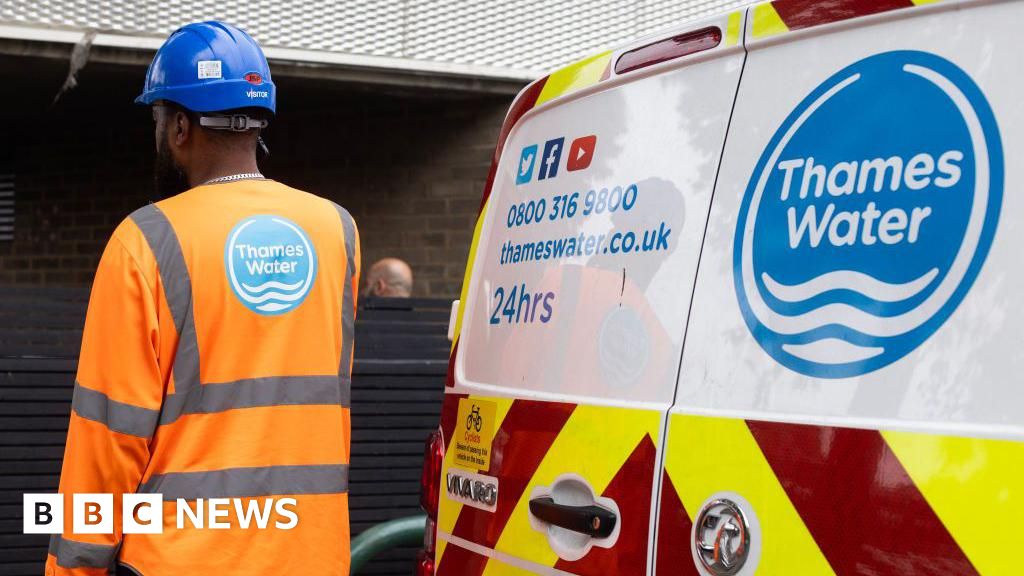
There has been speculation that Thames, which serves 16 million customers in London and the Thames Valley region, might have to be taken over by the government if it runs out of money.
The company says it has funding of £1.8bn, which is enough for it to keep going until May 2025.
Thames reported an increase in annual profits to £157.3m, but boss Chris Weston said the company was facing a difficult time, with strengthening its financial position “a critical priority”.
Thames wants Ofwat to let it raise consumer bills by up to 44% between 2025 and 2030, with extra money promised for investment in environmental measures.
On Thursday, the regulator will release its initial ruling on how much water companies can raise bills. There will then be several months of negotiations before a final ruling in December.
Thames said it would be talking to potential investors and lenders following Ofwat’s draft ruling, but it added this was not expected to be concluded until after the regulator’s final decision.
An earlier plan put forward by the company was rejected by the regulator, which led to questions over the firm’s future as shareholders at Thames’ parent firm, Kemble Water, subsequently withdrew a proposed cash injection into the company.
As well as its financial woes, Thames has also come in for steady criticism for the number of sewage discharges and water leaks affecting its customers.
Mr Weston said the company’s performance in this area was “not where it should be or where we want it to be”.
The number of sewage discharges more than doubled last year, rising to 16,990 from 8,015, which was put down to “prolonged heavy rainfall”.
The 40% increase in rain from the previous year also led to a rise in the number of reportable pollution events to 350 from 331.
However, Thames said it had reduced leakages by 7% to its lowest ever level.
Credit: Source link