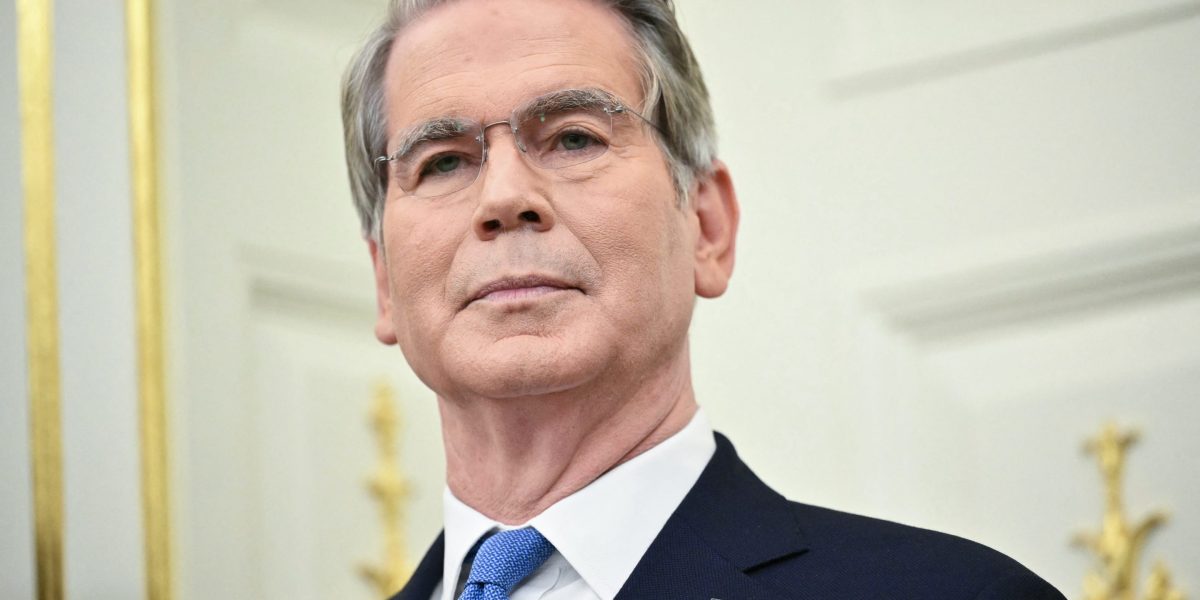
On Tuesday afternoon, Energy Secretary Chris Wright posted six words on X that moved global oil markets more than any airstrike this week: The Navy, he wrote, had “successfully escorted an oil tanker” through the Strait of Hormuz.
Crude cratered at the fastest pace in years. West Texas Intermediate, a reliable benchmark, plunged as much as 19% as traders who had spent days pricing in a prolonged closure of the world’s most critical energy chokepoint suddenly scrambled to unwind their positions. An exchange-traded fund tied to oil futures shed $84 million in market cap in just ten minutes. Then, the post disappeared, and the White House confirmed no such escort had taken place. A Department of Energy spokesperson called it an “incorrectly captioned” video clip. But the damage was already done.
“The market is depending on accurate information from the administration,” Andy Lipow, president of analyst firm Lipow Oil Associates, told Fortune. “And when a tweet is posted and deleted quite rapidly, it brings into question what exactly is happening.”
What exactly is happening, over the past few days, has depended entirely on which administration official you’re listening to.
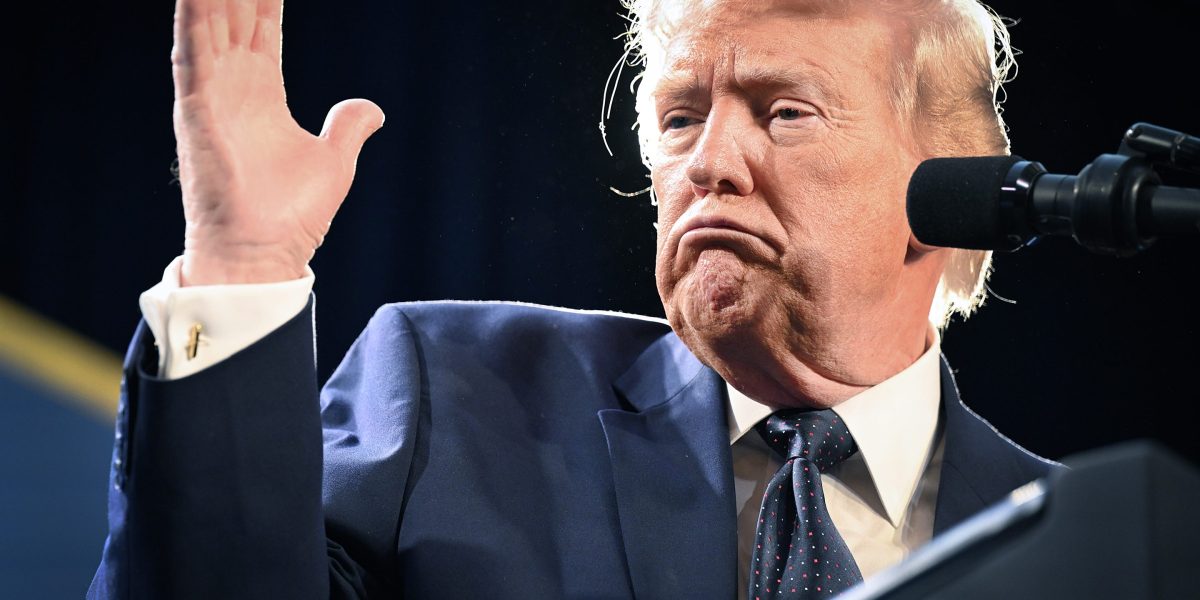
On Monday, crude oil had surged to $119, until President Donald Trump told CBS that the war was “very complete, pretty much.” After that, crude slid by nearly $34 in a matter of hours, dropping below the psychological barrier of $100 a barrel. Then, on Tuesday, Defense Secretary Pete Hegseth promised that day would contain the most intense strikes yet— “the most fighters, the most bombers, the most strikes.” It didn’t seem like the war was over, so oil climbed back toward $90. Wright then said the Strait disruption would last “weeks, certainly not months.”
The result of all the mixed messaging is a market that has swung 36% from peak to trough in two sessions—the largest such move since April 2020—driven less by the fundamentals than by the inability of traders to distinguish signal from noise when the executive happens to be the source of both.
The White House did not immediately respond to Fortune’s request for comment.
The consequences of mixed signals
Lipow, who has tracked oil crises for decades, said this volatility is compounding an already extremely severe supply shock—one of the worst crises since the 1970s. Unlike 2022, when the International Energy Agency (IEA) released reserves after Russia’s invasion of Ukraine, the current disruption involves actual barrels disappearing from the supply chain entirely. Back in the early days of the Russian war, Russian oil never really vanished; rather, it got rerouted to China and India.
“This time there actually is a supply disruption,” Lipow said. “Production is being shut in throughout the Middle East, refineries are shutting down. That was just not the case in 2022.”
Some oil is trickling through the Strait. Goldman estimated on Monday 1.6 million barrels have crossed over each of the last four days, which is only about 8% of the Strait’s normal flow of 20 million barrels. Most of the barrels have been carried by shadow fleet vessels with their detectors, called transponders, turned off. Mainstream ship owners won’t touch the Strait, mostly because of insurance issues, and the risk of a disastrous oil spill.
On Wednesday morning, the IEA agreed to release 400 million barrels from member countries’ strategic reserves, by far the largest drawdown in the agency’s history. Brent crude rose slightly on the news, although traders generally shrugged it off.
Easy math explains the skepticism: At roughly 20 million barrels a day of lost supply, the release covers about three weeks, or 20 days before the cushion runs out.
“Something has to be done,” Lipow said, “but it may not be enough.”
He added traders are more looking for signs of Iran targeting ships directly, although he said once the IEA oil comes onto the market, it will “almost certainly” bring prices down.
How oil’s chaos affects American consumers
The chaos of the oil spike, and the resulting fuel shortage, is already hitting consumers, particularly in South Asia. Restaurants across India and Bangalore are shuttering hot food options due to the fuel shortage, Bangladesh has closed schools, and Thailand told government employees to take the stairs, rather than the elevator.
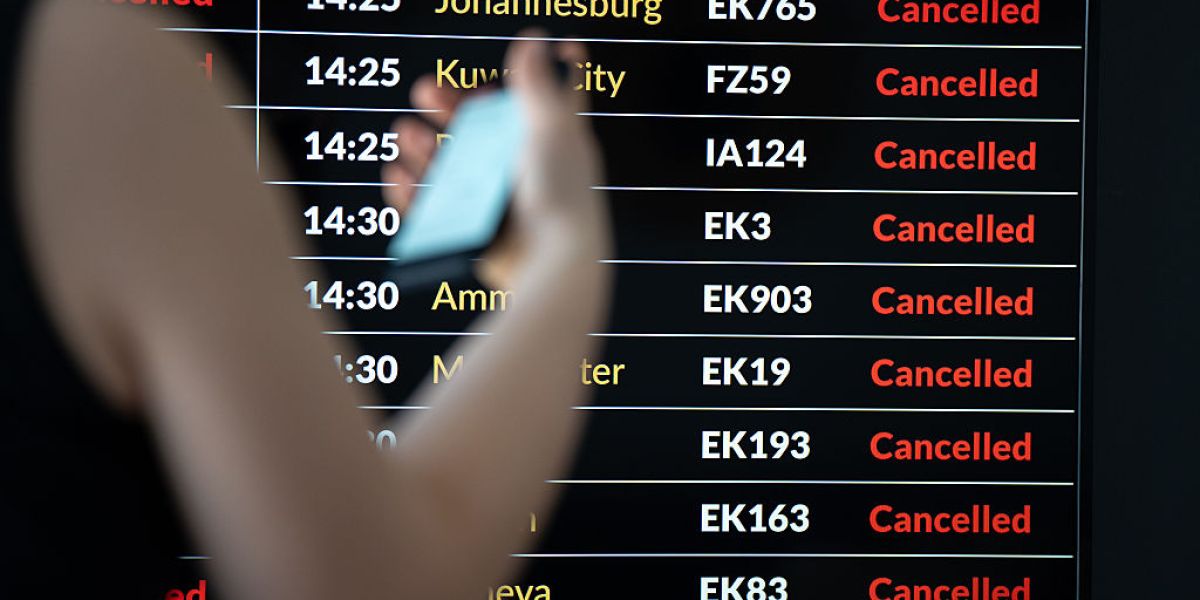
The West hasn’t faced such dire consequences yet, but could soon in transportation. Lipow said most airlines hadn’t hedged before the spike and are now trapped.
“You’re already seeing increases in ticket prices that started on Monday,” he said. “It’s almost too late to hedge your jet fuel prices because they’ve already spiked.” For truckers, railroads, and refiners, the calculus is the same: Hedge at $90 and risk overpaying if the war ends tomorrow, or stay exposed and risk $120 if it doesn’t.
Nobody knows which way this goes. But as of this week, the biggest single-day price swings in the oil market have been triggered not by Iranian missiles or IEA production decisions—but by a TV interview and a cabinet secretary’s deleted tweet.
The fog of war is coming from inside the White House and it’s costing the market millions.
Credit: Source link